Plumbing for showers and baths, from valves and wastes to a complete swap: what to describe, the electrical limits and how water tightness is checked after.
Showers and baths share two plumbing questions: can the water be delivered at a usable flow and temperature, and does all of it leave through the waste without escaping elsewhere. Work here ranges from one valve to a replacement bath or tray.
What the job involves
On a shower, that may be a cartridge, a diverter, a riser, a mixer valve or the tray and trap. On a bath, it may be taps, the waste and overflow, the legs and fixings or removal and refitting. Hidden valves and fixed panels decide how much access is needed. Detailed tasks are listed under showers and baths and fit outs.
An electric shower has a plumbed water feed and a dedicated electrical supply. Electrical connection and testing belong to an electrician, and that part is not covered by a plumbing job.
What we need from you
- Photos of the shower or bath, the controls, the ceiling below and any access panel.
- Type of shower: mixer, thermostatic, pumped or electric.
- How the home gets hot water.
- The complaint in plain terms: temperature swings, low flow, slow drain, damp or a broken part.
- Product details for anything already bought.
Safe first steps
For a leak, stop using the fixture and see whether the damp stops growing. Turn off the water at the nearest valve if it drips while idle. If water is near an electric shower, pump or light fitting, switch that circuit off at the consumer unit if you can do so dry, and leave it off.
Limit hot water temperature when testing, especially where children or older people bathe. Approved Document G sets a maximum of 48 degrees C for water supplied to a bath in new dwellings and certain conversions, using an in-line blending valve or similar.
How it is checked
The waste is tested with a volume of water, filling and then emptying a bath so that both overflow and outlet are proved. A shower is run while the trap, supply joints and the underside are watched where reachable. Spray is directed at corners and seals. Temperature control is tried from cold to hot, including while another tap is opened. Sealant needs to cure as the maker states before use.
Trays, valves and baths in detail
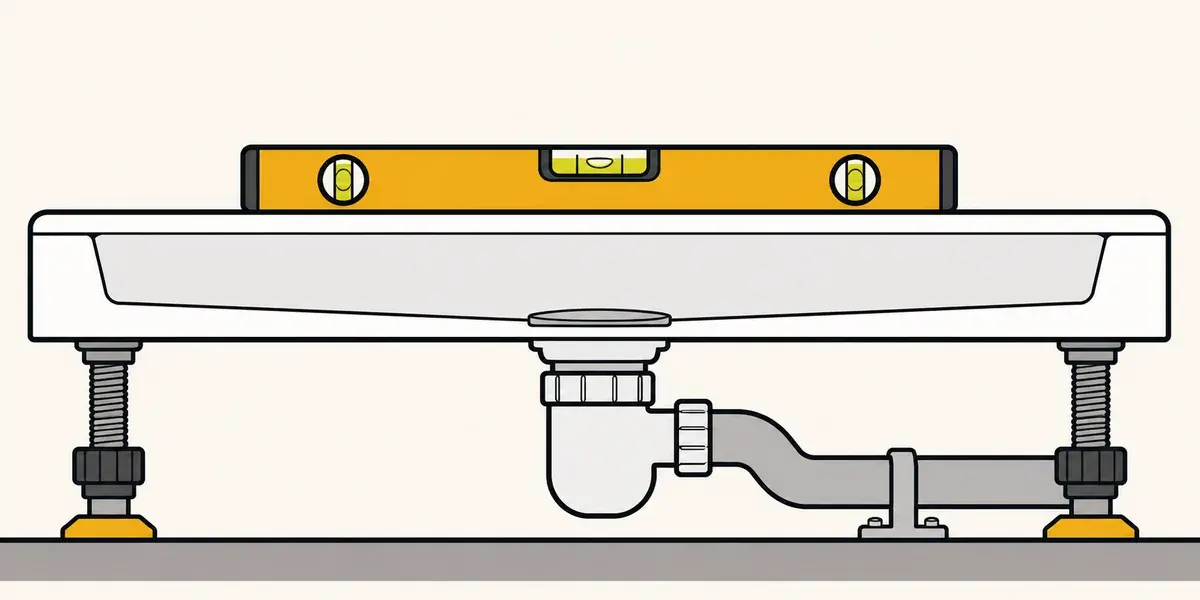
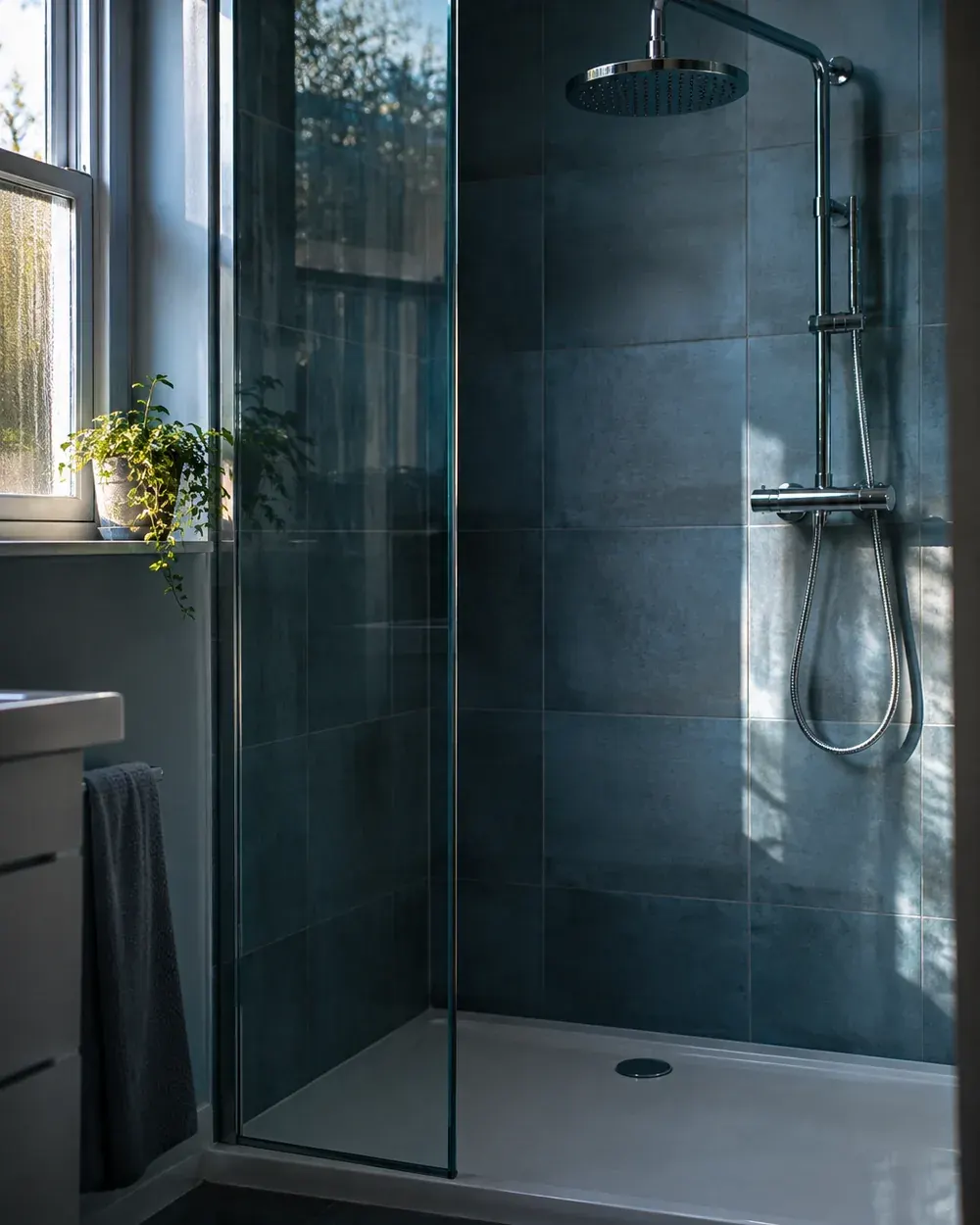
Tray choices cover sizes, materials and heights, low profile waste depth, raised trays on legs, solid floors, the waste and trap, taking an old tray out and wet room drainage.
Around the controls, the questions are valve and drain positions, bar mixer centres, concealed valve depth, finding the right cartridge, thermostatic cartridges, diverters, pump types, heads and arms, riser rails, ceiling heads, wall panels and who fits an electric shower.
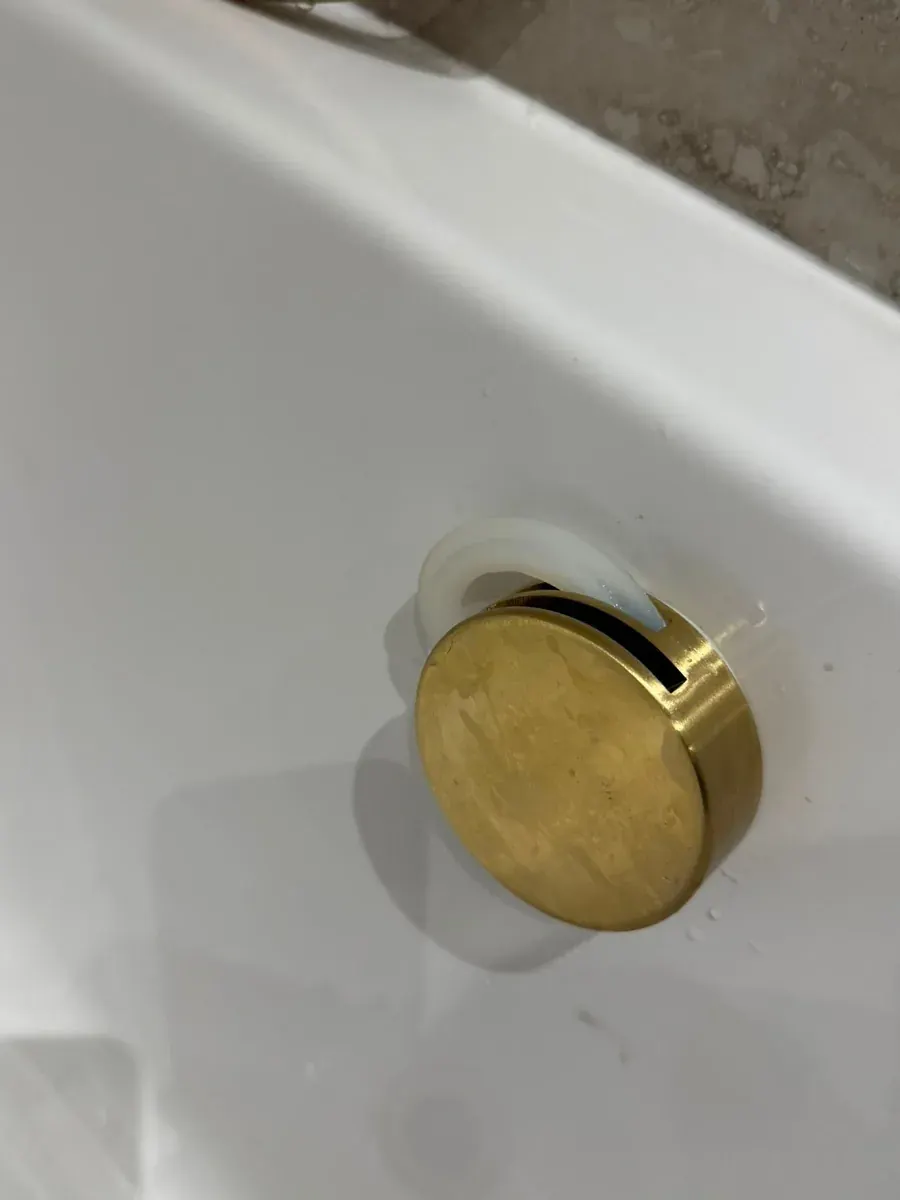
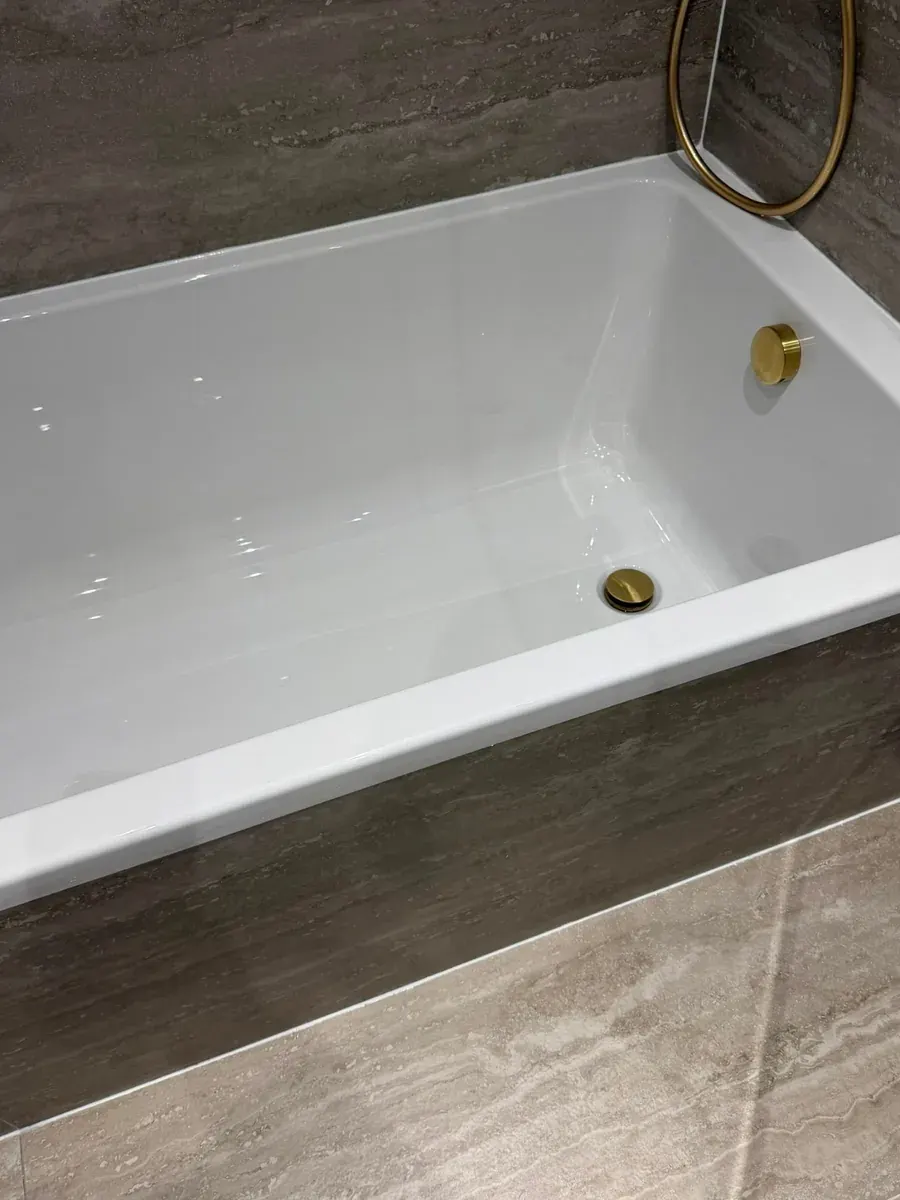
Bath work may turn on standard sizes, steel or acrylic, floor strength for heavy baths, removal, levelling the legs, panels, wastes and overflows, overflow fillers, mixer taps with a shower hose, tap centres, corner baths, waste routes for freestanding baths, floor-standing fillers, screens, resealing or changing a bath for a shower.
Separating the causes
Water under a bath can come from a joint, failed sealant, cracked grout or splashing over the edge. Say what you were doing when it appeared. Add your details to the contact form, and name any tiler or electrician already involved.
Replacing like for like
Measure the existing bath or tray, note the waste position and photograph the wall edges. A product of nearly the same size can still leave gaps in tiling or move the trap over a joist.