Cold rooms, a noisy pump, a stuck valve or a thermostat that does nothing: how to narrow down a heating fault, what to send and what is checked afterwards.
Heating faults sit anywhere between the thermostat and the far radiator. Describing which parts of the home warm up, and when, narrows the search before anything is drained. Any repair that reaches into a gas boiler or gas pipework is done only by a Gas Safe registered engineer.
Match the symptom
| What you notice | Places to look |
|---|---|
| One radiator cold | Air, valve position, stuck pin, blockage |
| Upstairs warm, downstairs cold | Pump, sludge, balancing |
| Radiators hot with the heating off | Motorised valve or control wiring |
| Nothing responds to the thermostat | Batteries, programmer, receiver, boiler |
| Knocking or gurgling | Air, low water, pipe movement |
| Pressure keeps falling | A leak, a relief valve or the expansion vessel |
These are starting points, not a diagnosis.
What you can safely try
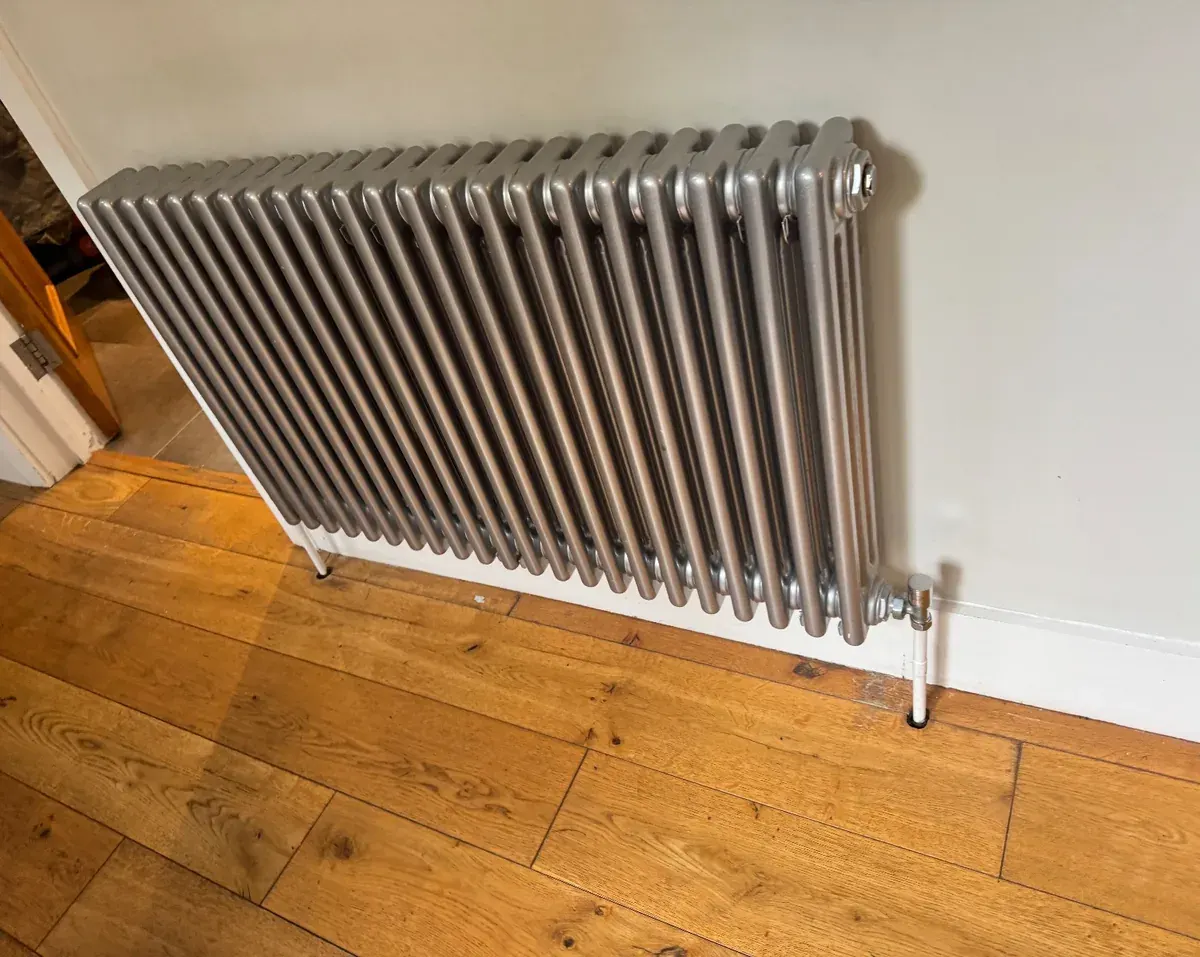
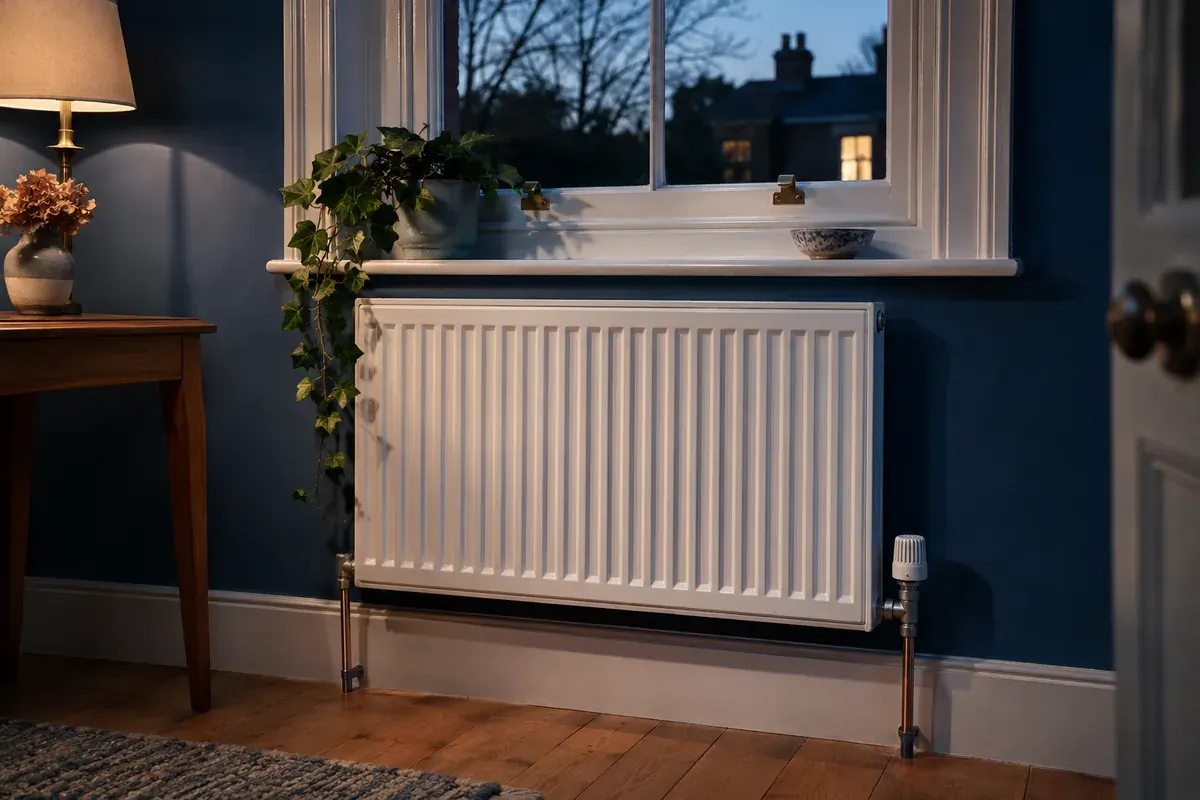
Check the programmer, the thermostat setting and its batteries. Open radiator valves that have been closed during decorating, noting how far. With the heating off and the radiator cool, a radiator cold along the top can be bled with its key and a cloth, after which the pressure gauge should be read. Stop there if the pressure is outside the manual's range, water will not stop or a valve will not move. Leave the boiler casing closed.
Work that may be involved
Freeing or replacing a radiator valve, changing a pump or motorised valve, tracing a leak on the heating circuit, repairing pipework, replacing a thermostat or programmer and refilling with inhibitor afterwards. Mains wiring to controls needs a person competent in electrical work, so ask who will do that part. Dirty water and repeat blockages may lead to a conversation about cleaning the system.
What to send
- Which radiators work, floor by floor.
- Whether hot water is affected too.
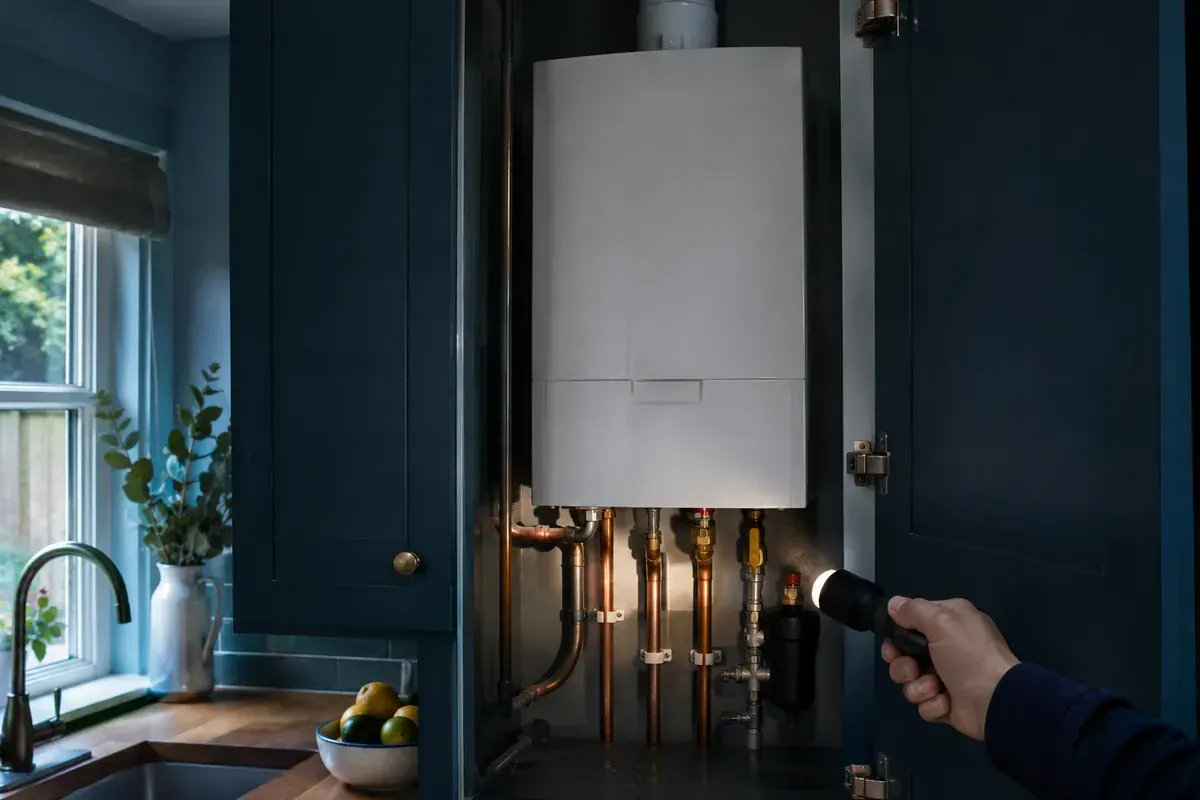
- The boiler make and model and any displayed code.
- Whether there is a pressure gauge, a loft tank or a cylinder.
- When the fault began and what changed just before.
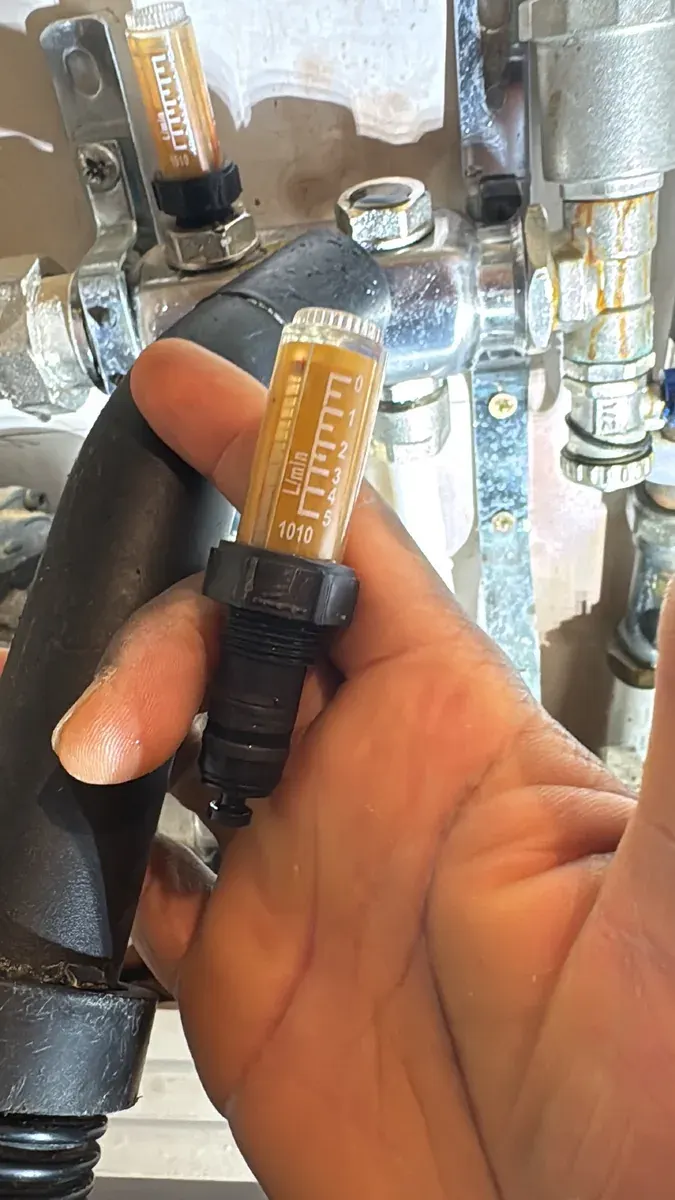
- Photos of the pump, valves and controls if they are in plain view, emailed with your reference.
Leaks on the heating circuit
Put a tray under a drip, move electrical items away and switch the heating off to let the water cool. A stain below a floor with buried pipes may need leak tracing before anything is lifted. Say if the property has underfloor heating or a communal system, since a managing agent may need to approve draining.
How the repair is checked
The system is run until hot, each radiator is felt for even warmth, new joints are looked at hot and cold, the controls are made to call for heat and stop again, and the pressure on a sealed system is noted. Ask what water was added and whether inhibitor was restored.
When the boiler is the cause
If the fault leads back to the appliance, see boiler repair. Ask to see the engineer's Gas Safe ID card before the boiler is opened and verify it on the Gas Safe Register. A smell of gas is not a heating repair: leave the property and phone the National Gas Emergency Service on 0800 111 999.
Questions people ask
Is a cold radiator a boiler fault?
Often not. A single cold radiator points first to air, a closed or stuck valve, balancing or sludge. Several cold rooms may involve the pump, controls or boiler.