Weak showers, slow filling or hammering pipes: how pressure and flow differ, simple tests to run, what we need to know and how any change is verified.
Poor delivery is diagnosed by finding where it is poor, when it changed and whether the limit is the incoming supply or something inside the home. Pressure is the push behind the water; flow is how much actually arrives. A pipe can show reasonable pressure with taps closed and still deliver very little once one opens.
Narrow it down first
- One outlet only: check its aerator, hose, cartridge or isolating valve.
- Hot only: consider the hot water system and its pipe route.
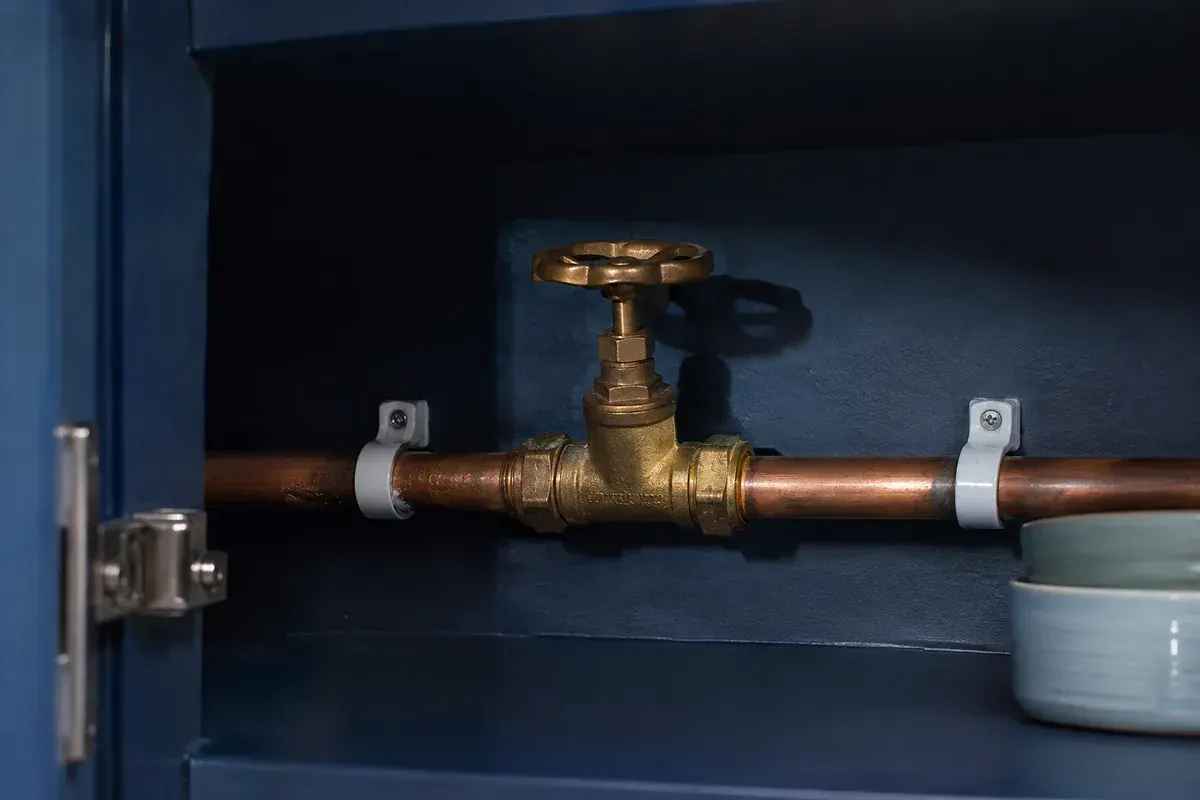
- Every outlet: look at the stop valve, any pressure reducing valve and the supply.
- Certain times of day: ask neighbours and check the water company's service updates.
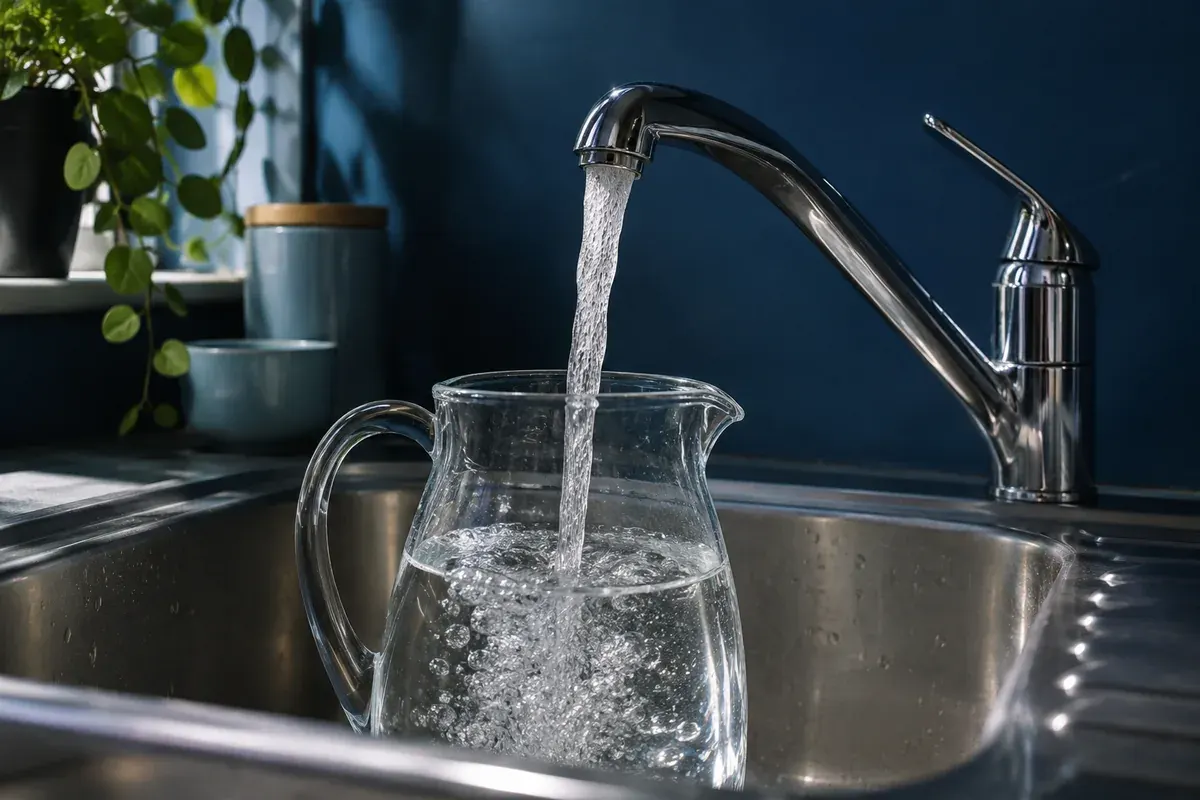
Fill a measuring jug from the cold kitchen tap for a few seconds and note the amount and time. Repeat upstairs and later in the day. These comparisons are far more useful than the word "weak".
What the job involves
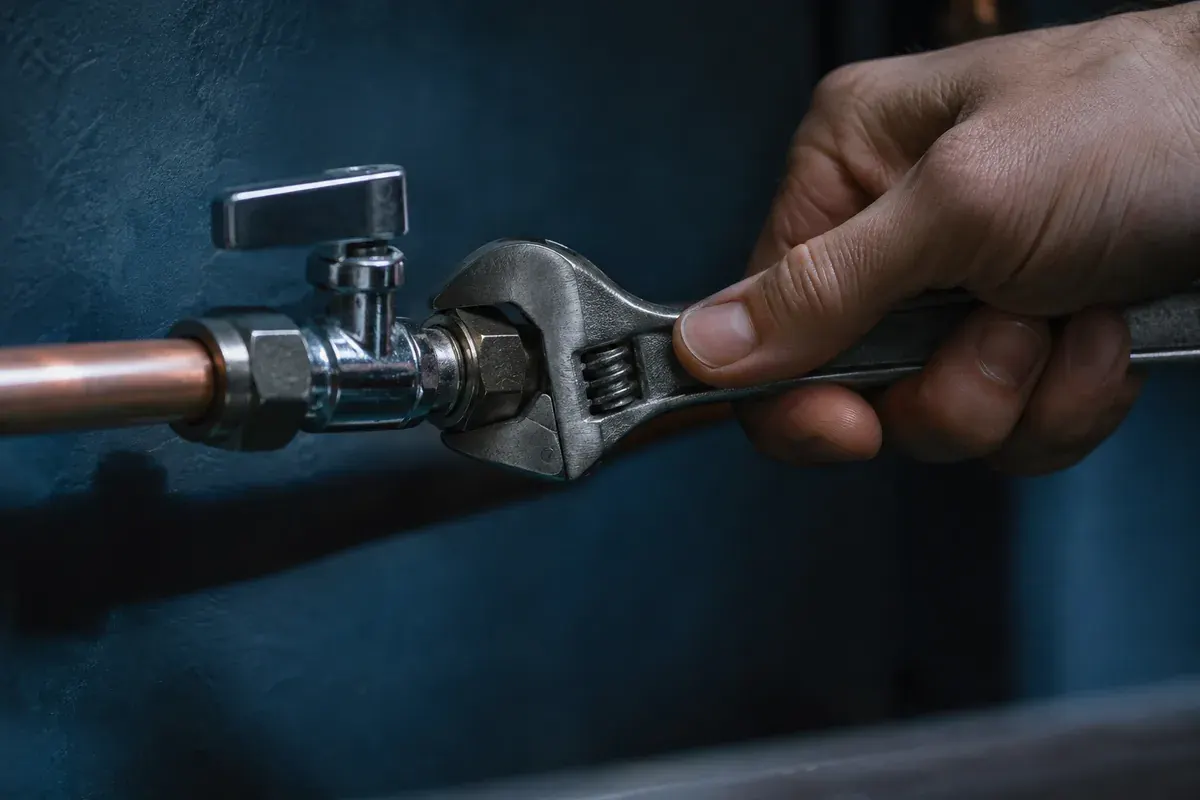
Valves are checked for being partly closed, filters and strainers are cleaned, and pressure and flow are measured at suitable points. Depending on findings, the remedy may be a replaced valve, a changed fitting suited to the available pressure, larger or rerouted pipe or a pump arrangement. A pump must not be connected so that it draws directly from the mains in a way the water supplier does not permit. Where the incoming supply is the limit, the conversation belongs with the water company.
Very high pressure also causes trouble, such as banging pipes, dripping outlets and stressed hoses, and may call for a reducing valve.
What we need from you
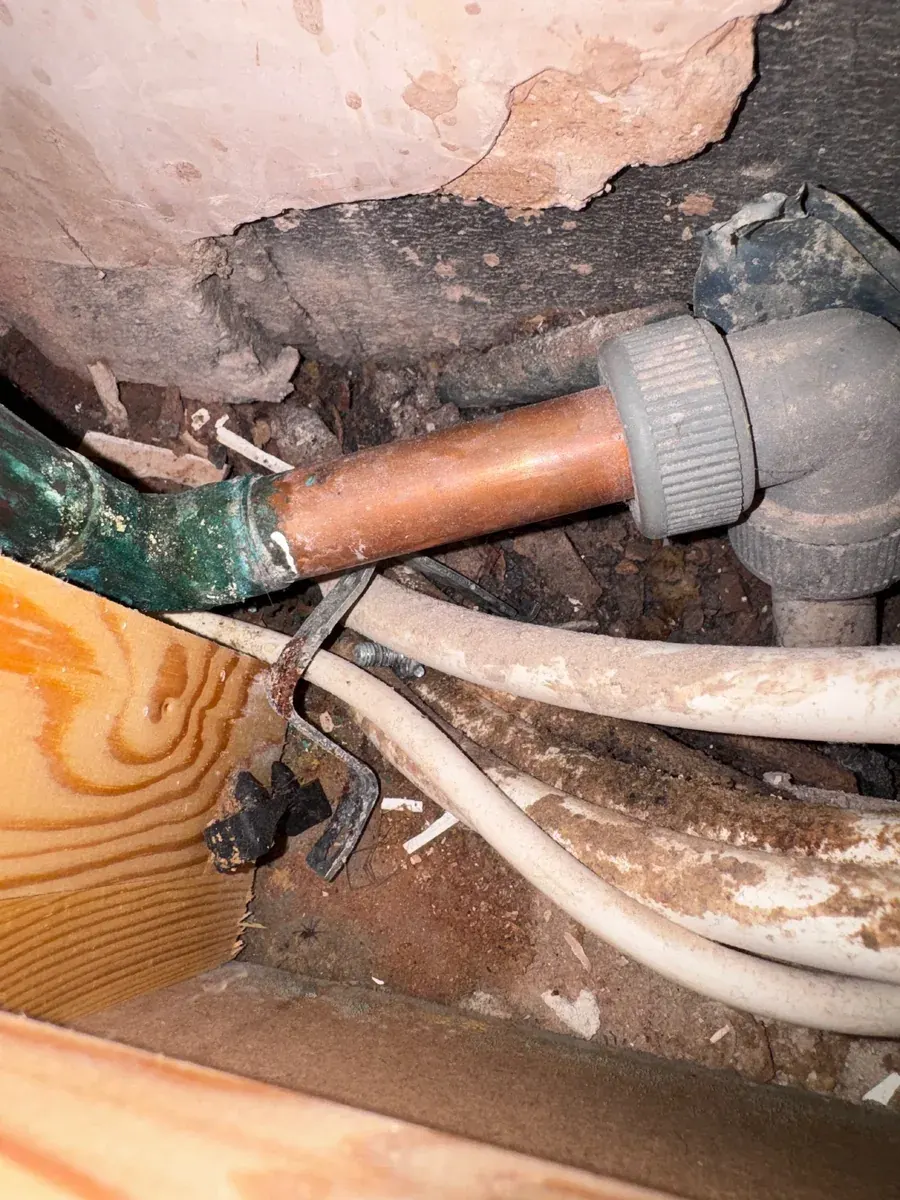
Which outlets suffer, the date it was noticed, recent works, your jug results, how hot water is provided and photos of the incoming pipe, meter area and any tank, pump or reducing valve. Mention whether the property is on an upper floor or shares a supply.
Noise in the pipes
Knocking when a valve snaps shut, humming or chattering can come from loose clips, a worn fill valve or excess pressure. Note which appliance or tap starts it.
Safe first steps
Make sure the stop valve is fully open, turning gently; leave a seized one alone. Unscrew and rinse a tap aerator if it comes off easily. Do not adjust the settings on a reducing valve or unvented cylinder component without knowing its purpose. A sudden loss together with wet ground or the sound of running water could be a leak, so check for that promptly.
How it is checked
The same measurements are repeated at the same outlets under similar conditions, with two outlets then opened together. Joints disturbed during the work are inspected, and appliances that fill by timed valves are tried. Keep both sets of figures. Send them through the contact form.