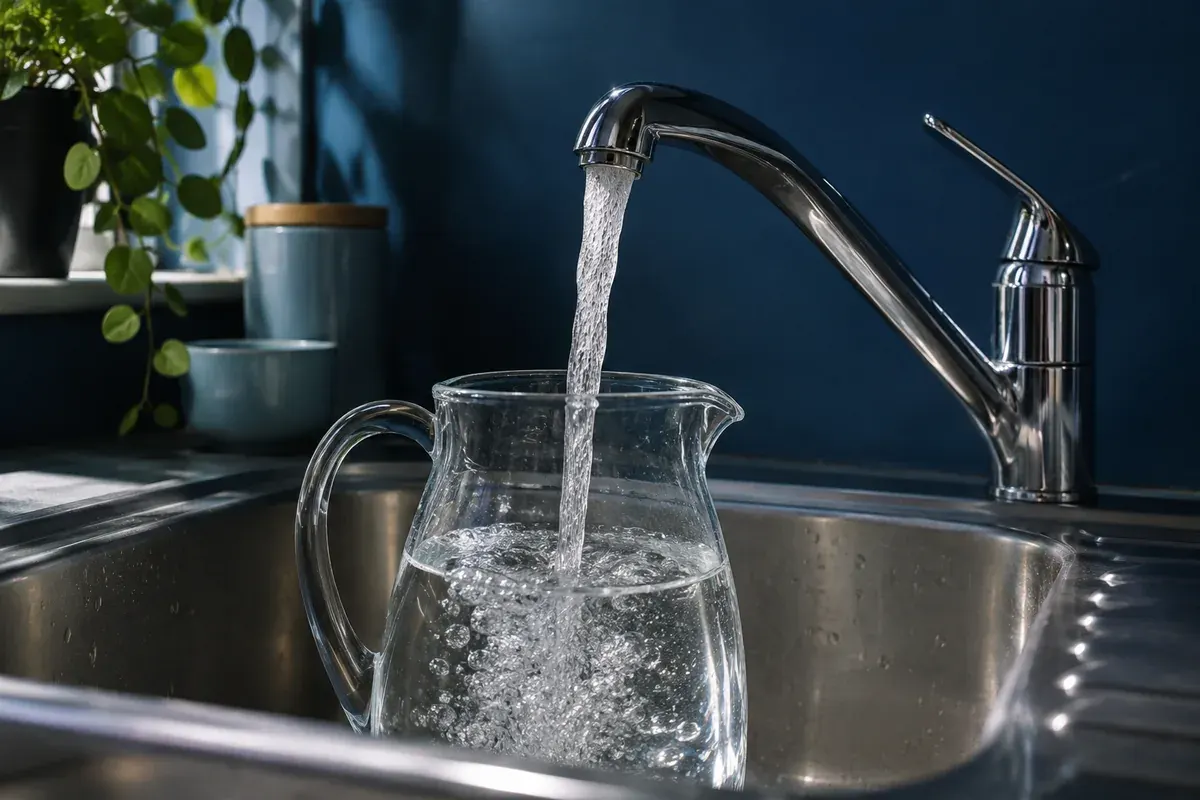
Dripping, stiff, leaking or outdated taps: when a repair makes sense, what replacement needs, the photos to send and how the finished tap is tested for leaks.
Tap work is either a repair to the working parts or a complete change of tap. The choice depends on the age of the tap, whether spares can be identified and the condition of the pipes and valves below it.
Repair or replace
A drip from the spout usually points to a washer or cartridge. Water around the handle suggests a gland or seal, and water at the base of a swivel spout suggests worn O rings. These can often be repaired when the matching part is available. A corroded body, a damaged seat or a tap with no identifiable maker may be better replaced. Individual jobs have their own pages under basins and taps.
What the job involves
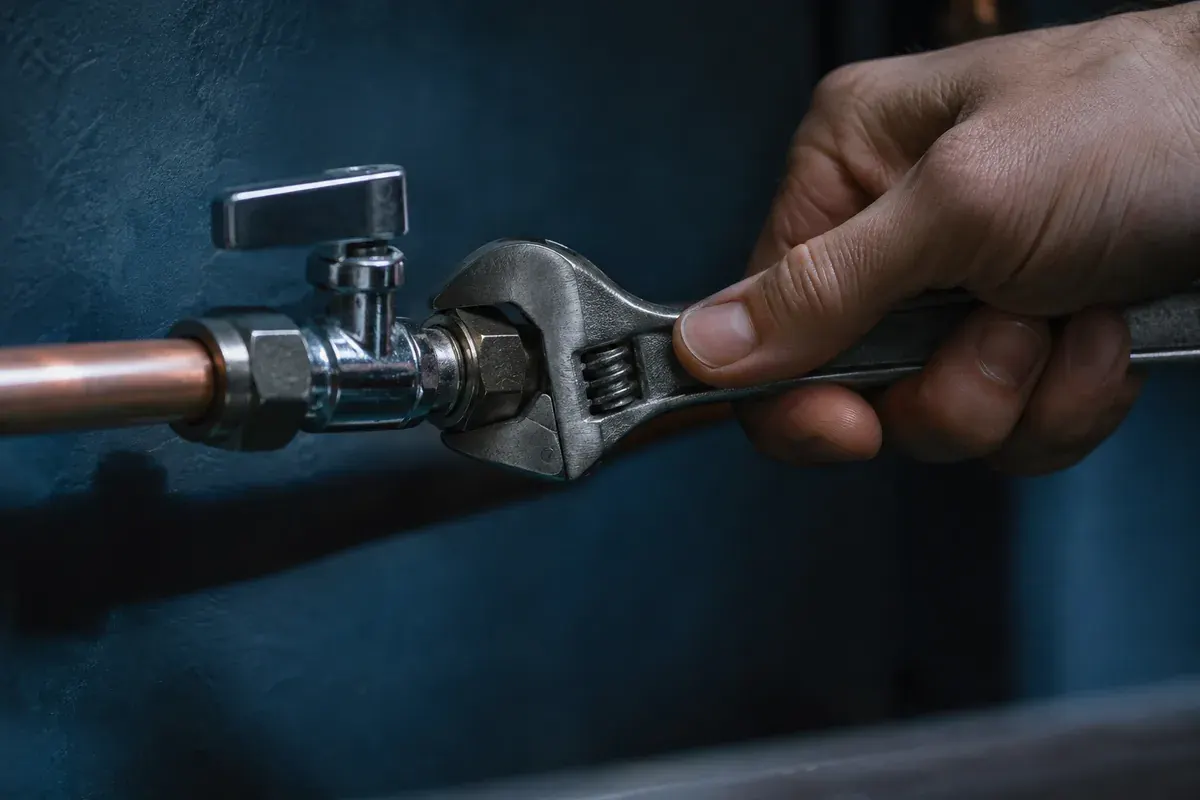
For a repair, the supply is isolated, the head is dismantled, the worn part is compared with its replacement and the tap is rebuilt. For a new tap, the old one is released from underneath, which is often the slow part where fixings have seized. The new tap is seated, secured and connected with tails or rigid pipe, and servicing valves are added where there is no way to shut off that tap alone, if that is agreed.
What we need from you
- The room and the kind of tap: pillar, mixer, wall mounted, bath filler.
- Make and model, from a receipt or box if you have one.
- Photos of the top, the base and the pipes underneath.
- Whether the hot water is mains fed or comes from a tank.
- If buying new, the product link, so hole size and pressure rating can be compared.
A tap designed for high pressure may give a thin flow on a tank-fed hot supply. Check the stated minimum before ordering.
Safe first steps
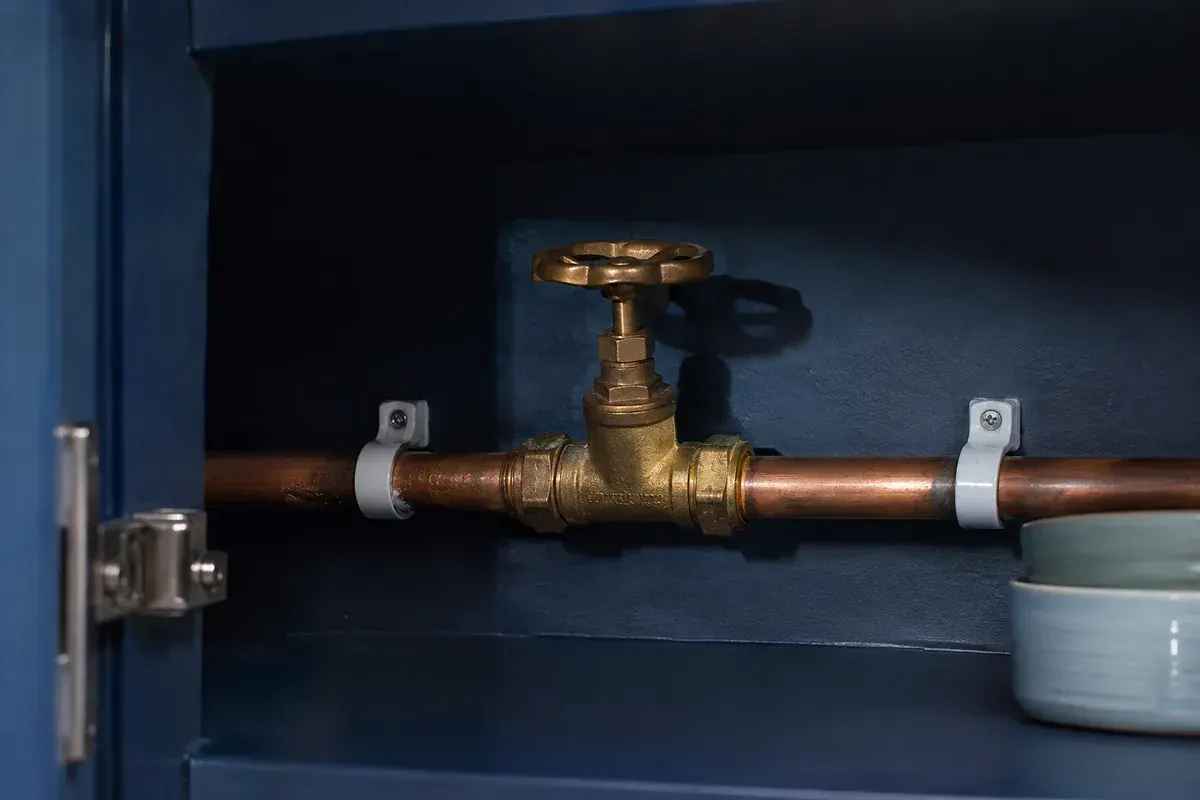
Close the valve under the tap, or the stop valve, if the leak is more than a slow drip. Put the plug in before dismantling anything so small screws cannot escape. Do not force a stuck headgear: the sink can crack or the pipe can twist behind the cupboard. Wipe standing water away from worktop joints, which swell quickly.
How it is checked
The valves are reopened and hot and cold are run separately and together. Handles should move smoothly and close without drip. Connections underneath are felt and then checked with dry paper. Hot should be on the correct side, the spout should reach the bowl without splashing, and hoses should not be kinked. Look again the following day.
Tap details worth settling
Before a tap is ordered, check basin tap holes and threads, kitchen tap hole size, tail thread sizes, household BSP threads and suitability for gravity-fed supplies.
Repairs turn on the part that has worn: identifying a disc cartridge, quarter-turn valves, worn spindles, spout O-rings, handles and heads, spout aerators, a spinning kitchen tap and filter changes on multi-function taps.
For a new tap, the relevant detail may be a basin mixer, a monobloc kitchen tap, a pull-out spray, swapping two taps for one mixer, a kitchen tap on the wall, wall taps over a basin, an indoor utility tap or check valves on mixers. Removal differs between basin taps and kitchen taps, and old flexible hoses are usually looked at together with the tap.
Agree beforehand
Say who supplies the tap or spare, what happens if the part does not match and whether replacing old valves is included. Add each tap to your job list separately.
Keep the old parts until the new tap has proved itself, as they help identify a spare if one is needed later.