Replacing old or awkward water pipes, rerouting for building work and tidying redundant runs: planning, access, information needed and testing before cover.
Repiping replaces lengths of water or heating pipe that are corroded, undersized, badly routed or in the way. It can be one branch to a new basin or most of the supply in a property under renovation.
Reasons to look at it
Recurring leaks on the same run, old steel or lead, flow that collapses when two outlets open, dead ends left from earlier alterations and building work that cuts across existing routes are the usual prompts. None of them proves that everything needs replacing. Ask for the case for each section.
Lead can be recognised as a dull grey, soft metal that shows a shiny surface when gently scraped, often with swollen joints. Do not cut or sand it. Your water company can tell you about testing and its own part of the supply.
What the job involves
- Tracing what each pipe carries and where it can be isolated.
- Planning routes, sizes, materials and access points.
- Opening floors or walls where agreed.
- Installing, clipping and insulating the new runs.
- Removing redundant lengths so water does not sit stagnant.
- Filling, flushing and testing before anything is closed.
Replacing metal pipe with plastic can interrupt electrical bonding. An electrician should check earthing and bonding where metal sections are removed.
What we need from you
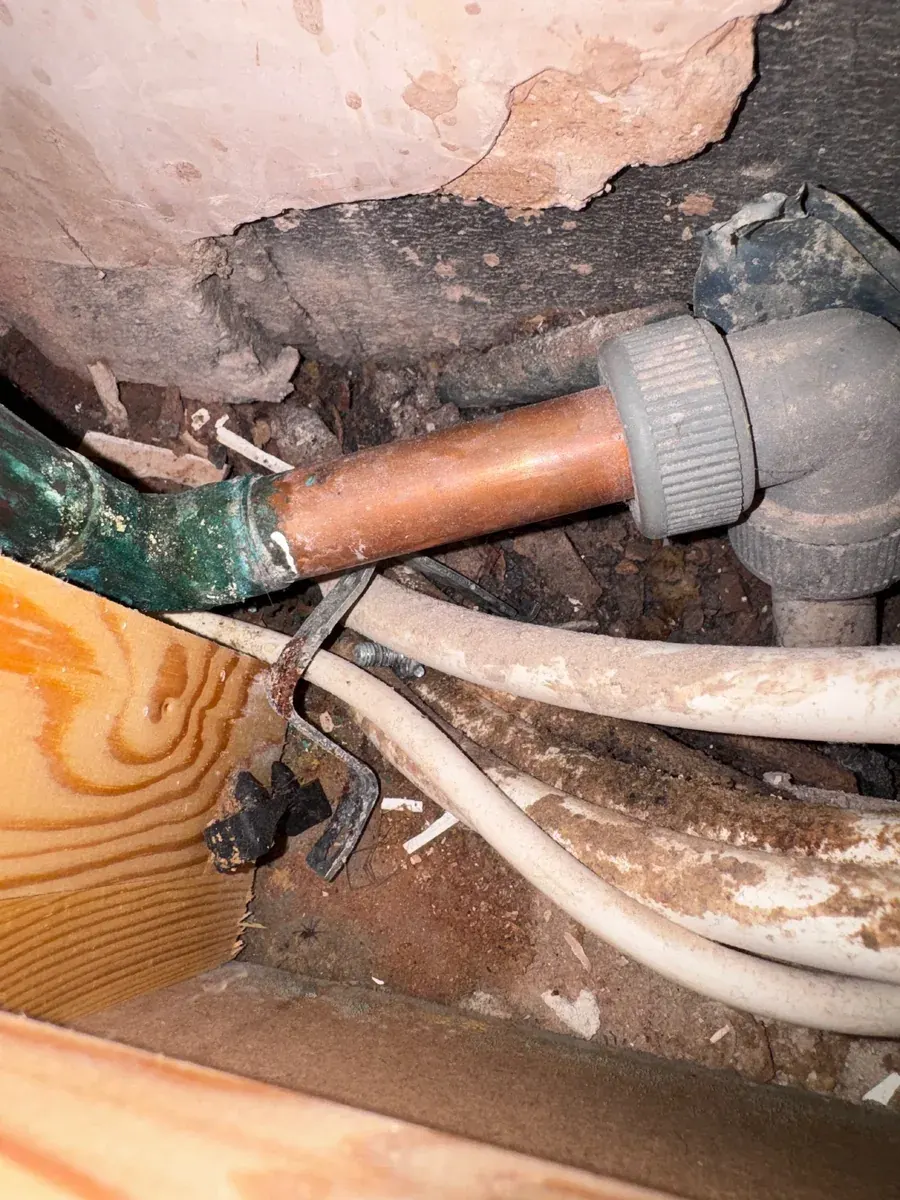
A floor plan or sketch, photos of exposed pipes and the incoming supply, the property age if known, floor construction, any renovation programme and whether the home will be occupied. For flats and terraces, mention shared supply pipes.
Safe first steps
Before any opening up, test the stop valve. Mark visible leaks and pipes you suspect carry gas so nobody confuses them; gas pipework is handled only by a Gas Safe registered engineer. Do not notch or drill joists yourself to make a route, since structural timber has limits on where it can be cut. In older properties, have suspect materials tested for asbestos before they are disturbed.
How it is checked
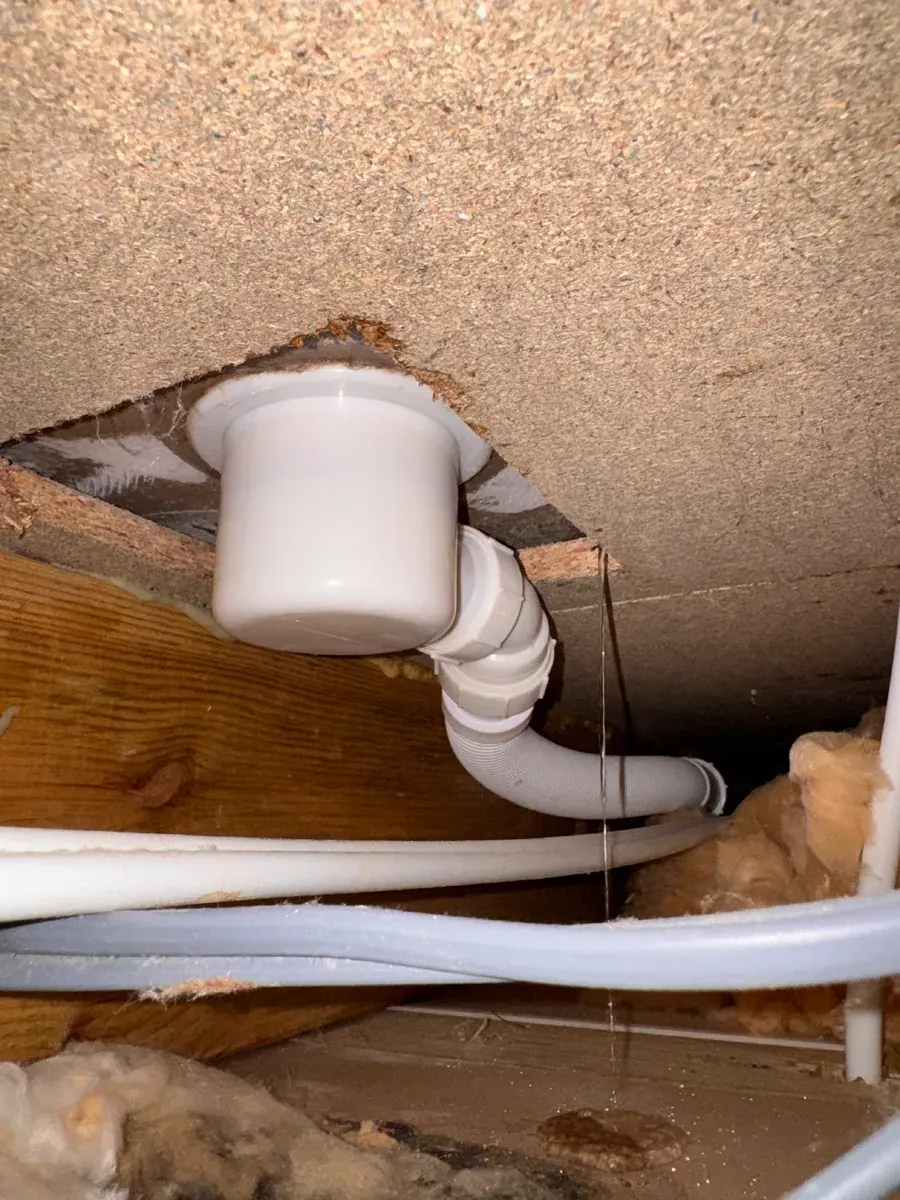
New runs are put under pressure and every joint is inspected while still visible. Outlets are run one by one to confirm hot and cold identity, flow and drainage of test water. Clips, spacing, insulation and labelled valves are looked over. Ask for photographs of concealed routes before boards go back; they help whoever drills there later.
Joints and materials
Alterations can depend on joining imperial pipe to metric, soldered joints, compression fittings, releasing push-fit connectors, bending copper and cutting in tight spaces.
Notice and approval
Certain alterations require advance notice to the water company, including some underground pipework. Establish who is giving that notice. Then send the outline of the project through the contact form.
Making good
Settle who lifts and replaces floor coverings, who boxes in new runs and who repairs plaster. These tasks sit apart from the pipework and are easy to leave unassigned.
Record who agreed each point.