What landlords must do each year: which appliances and flues are checked, when tenants get the record, how long to keep it and how to arrange access.
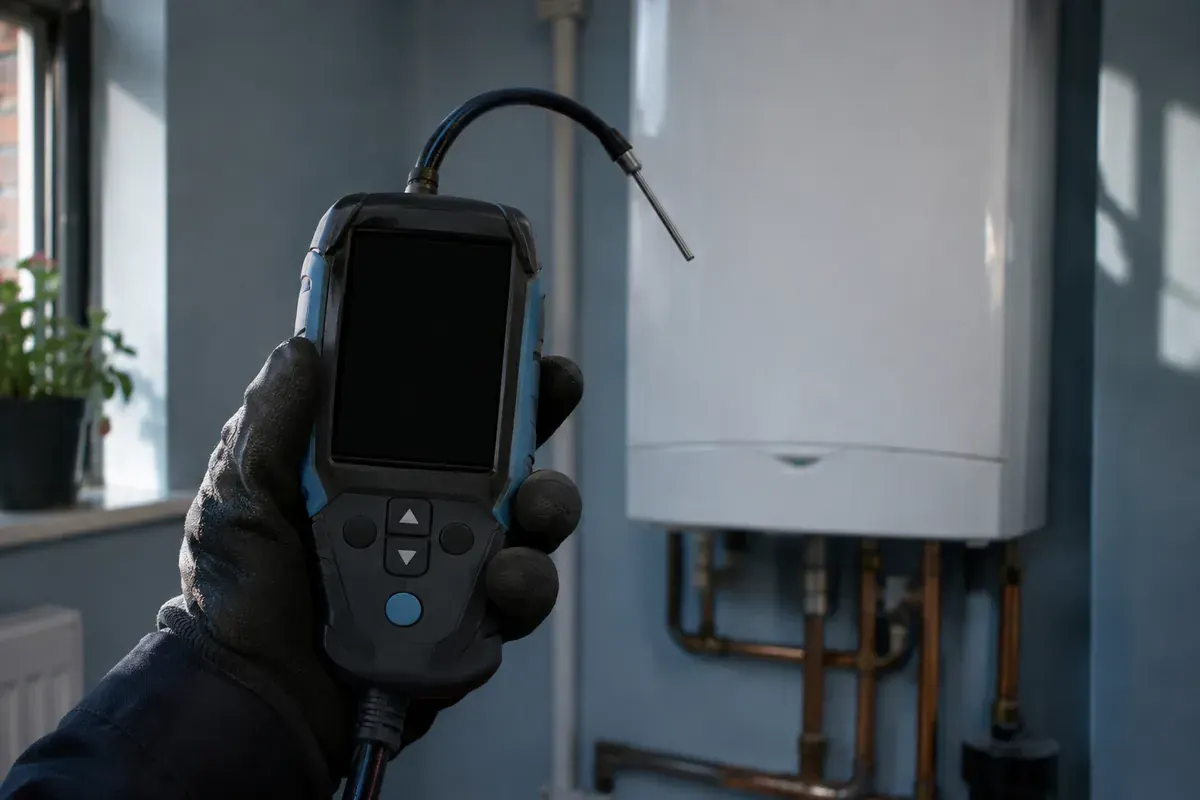
Landlords in England must have each relevant gas appliance and flue that they provide checked for safety at intervals of no more than 12 months. The check is gas work and is done only by Gas Safe registered engineers.
Who has the duty
HSE says checks are needed by landlords, including those with a rent-paying lodger, and by others such as housing associations, hostels and hotels. If you own a shop and let the flat above, the flat is covered. An empty property needs its appliances safe and a current record before new tenants move in.
Dates that matter
- Existing tenants: give them a copy of the record within 28 days of the check.
- New tenants: give a copy of the latest record before they move in.
- Short stays of 28 days or less: the record may be displayed prominently in the premises instead.
- Early checks: a check can be done up to two months before it is due while keeping the original renewal date.
- Record keeping: keep records for at least two years. Where the early-check flexibility is used, keep each until two further checks have been made.
Put the due date in a calendar with the two-month window marked, so that a missed appointment does not push the property past its deadline.
What the record contains
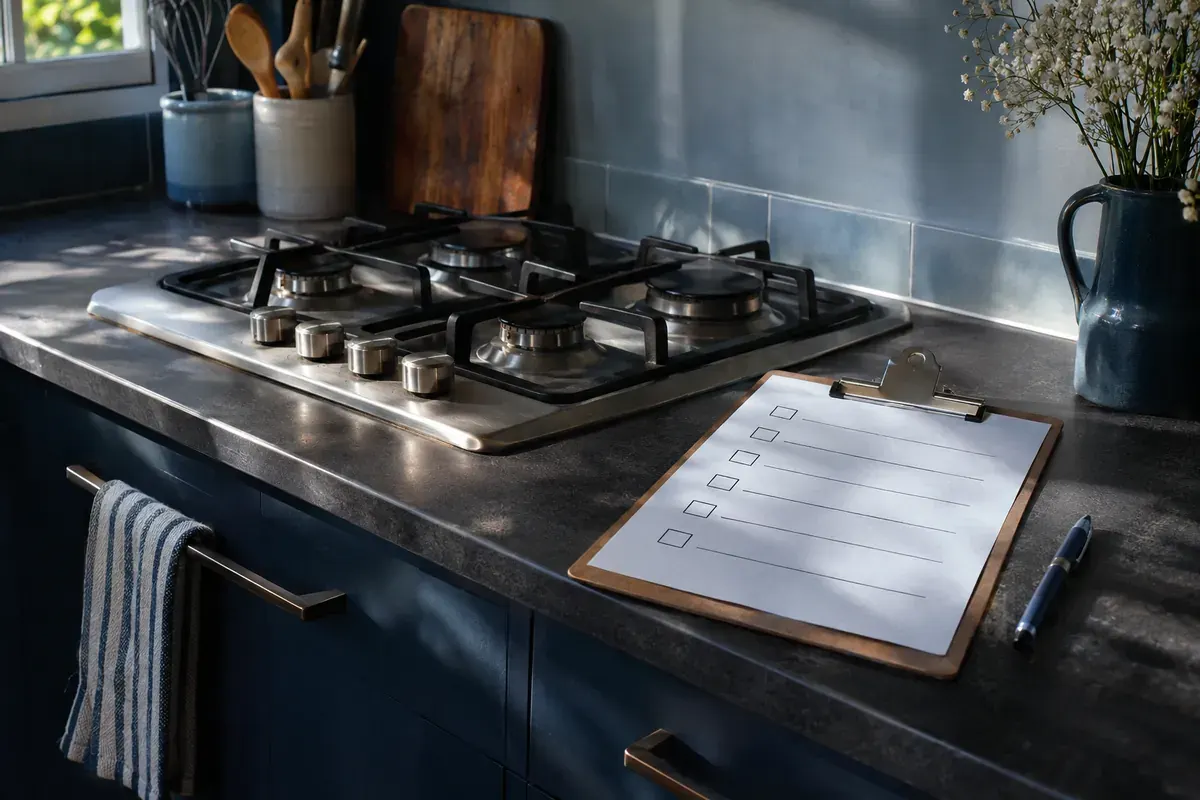
At minimum it describes each appliance or flue and where it is, gives the name, registration number and signature of the person checking, the date, the property address, the landlord's or agent's name and address, any safety defect with the action taken and confirmation that the required safety matters were examined. Read it when it arrives: a defect noted there needs prompt action.
What to send
- The property postcode and flat number.
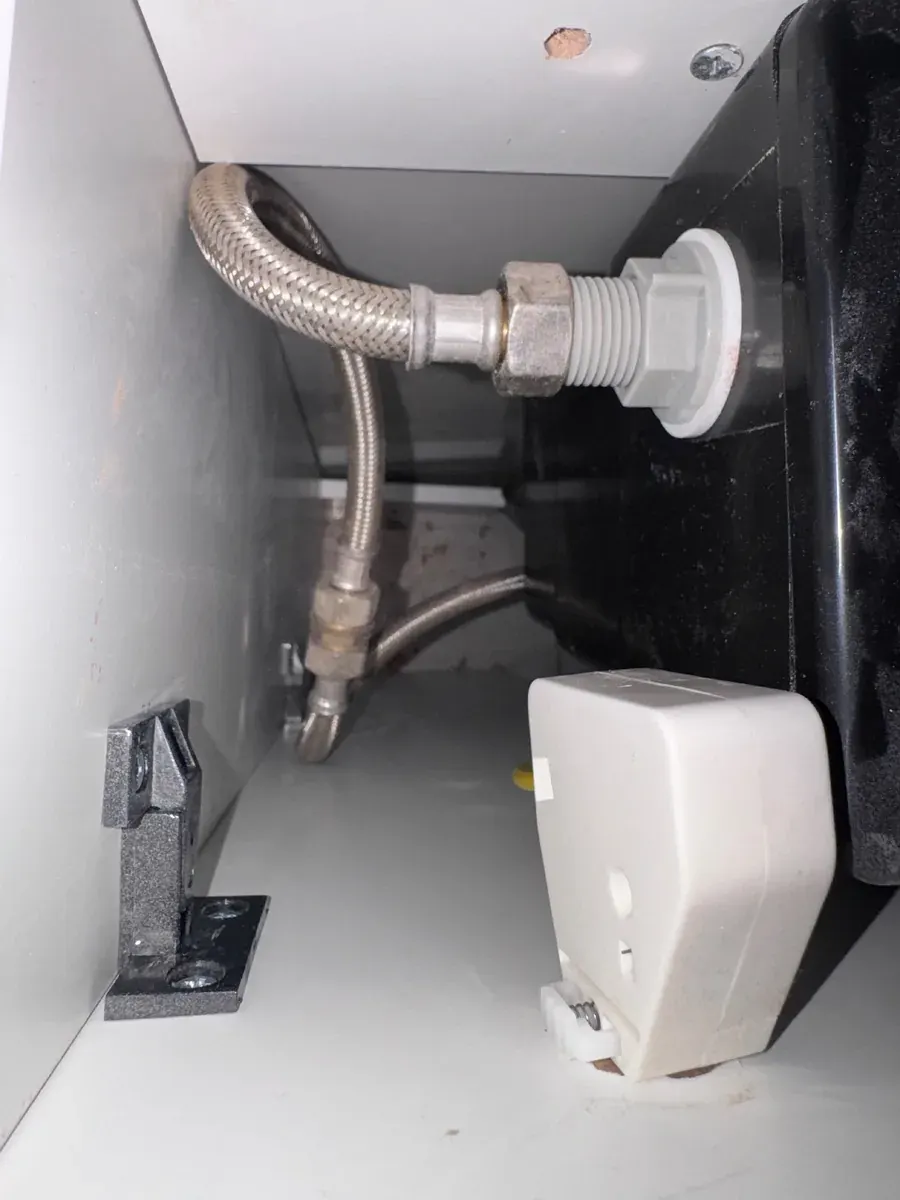
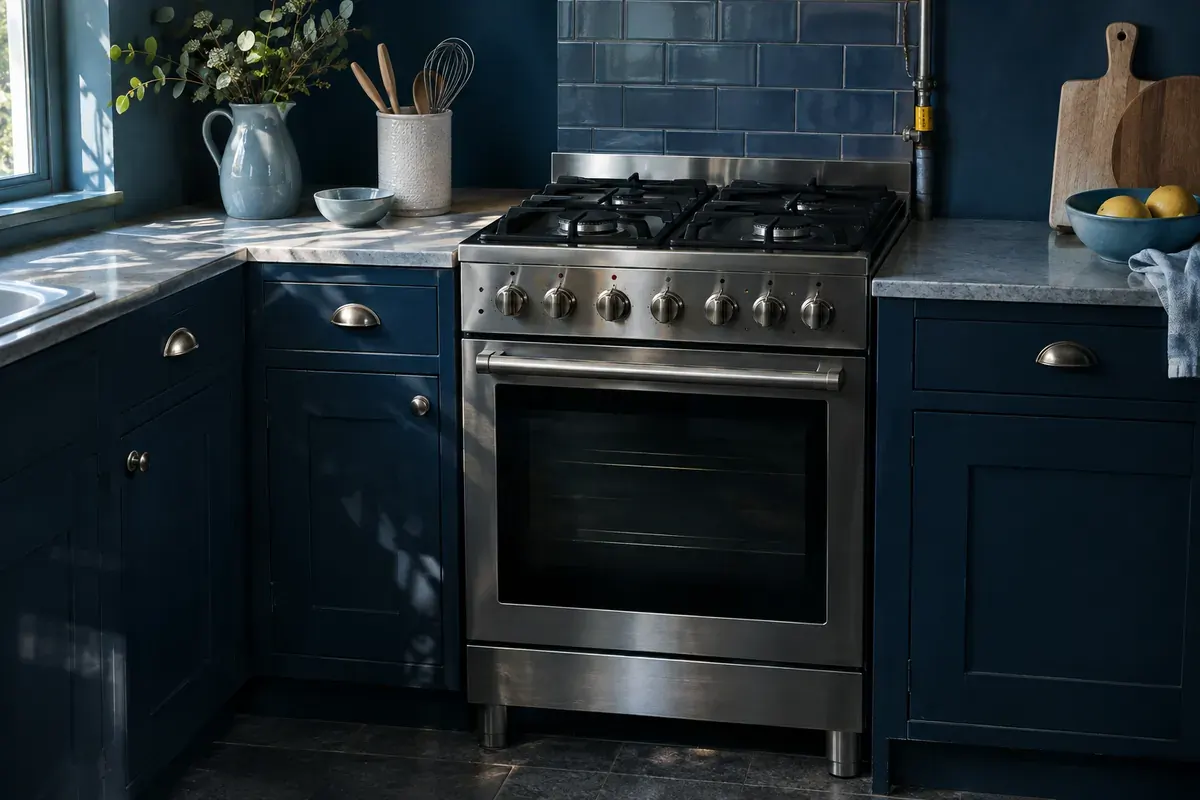
- The appliances you provide: boiler, hob, cooker, fire or water heater.
- The date the current record runs out.
- Tenant contact details, with their agreement, or how keys are collected.
- Who should receive the record and the invoice.
Access
Give tenants notice and a choice of times, and keep a note of each attempt. Tell them the engineer should show a Gas Safe ID card, which they can check on the Gas Safe Register. Meters, cupboards and the boiler need to be reachable.
Alarms
Separately from the gas check, private and social landlords in England must provide a carbon monoxide alarm in any room used as living accommodation that contains a fixed combustion appliance other than a gas cooker. A gas boiler in such a room counts. Reported faulty alarms must be repaired or replaced.
If something is unsafe
An appliance found to be dangerous should not be used. Ask what was found, what has been disconnected or labelled and what putting it right involves. A boiler repair or replacement is arranged and priced as its own job. Where anyone smells gas, they should leave, keep away from flames and switches and call the National Gas Emergency Service on 0800 111 999.
A check is not a service
The annual check records safety. It does not by itself maintain the boiler, so ask for servicing too if the appliance is due.
Questions people ask
Does the tenant's own cooker need to be on the check?
The landlord's duty covers appliances and flues the landlord owns or provides. Tenants look after their own appliances, although HSE recommends including flues connected to gas appliances in the check.