Plumbing for let properties: reporting faults, arranging access, what repair duties cover, the records to keep and how completed work is checked and noted.
Landlord plumbing is ordinary fault and installation work with extra parties to coordinate: owner, agent, tenant and sometimes a block manager. Getting authority, access and the description right at the start avoids wasted visits.
Repair duties in brief
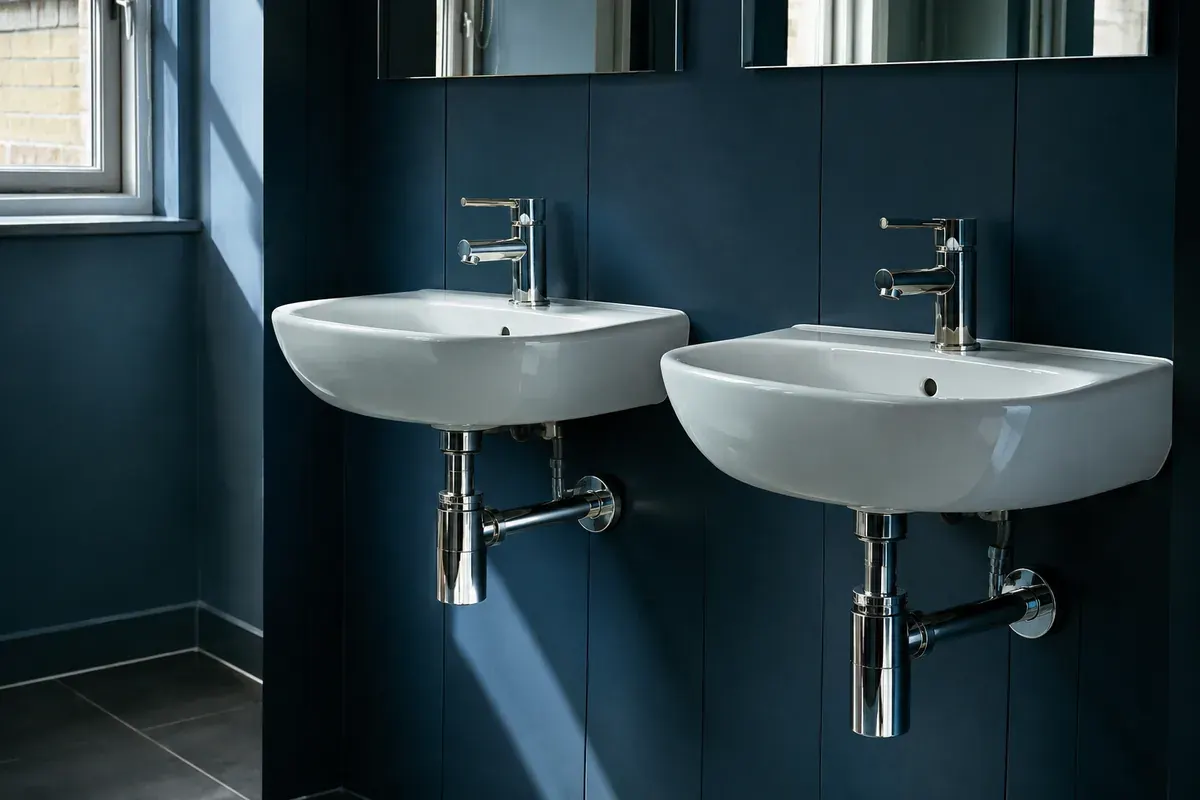
For many short residential tenancies in England and Wales, section 11 of the Landlord and Tenant Act 1985 requires the landlord to keep in repair and proper working order the installations for supplying water and for sanitation, including basins, sinks, baths and toilets, as well as those for heating water. The tenancy and the circumstances matter, so read the section and take advice where there is a dispute. HSE also explains landlords' duties on Legionella risk.
Annual gas safety checks can go on the same enquiry and are carried out only by Gas Safe registered engineers.
What the job involves
Reported faults are assessed and repaired, fittings are replaced between tenancies and isolation is improved where it is poor. A list covering several rooms can be sent as one enquiry. What is accepted, and whether anything needs more than a single attendance, is confirmed after the details have been read.
What we need from you
- Who is instructing the work and who will pay.
- Tenant contact details, shared only with their knowledge, and how access works.
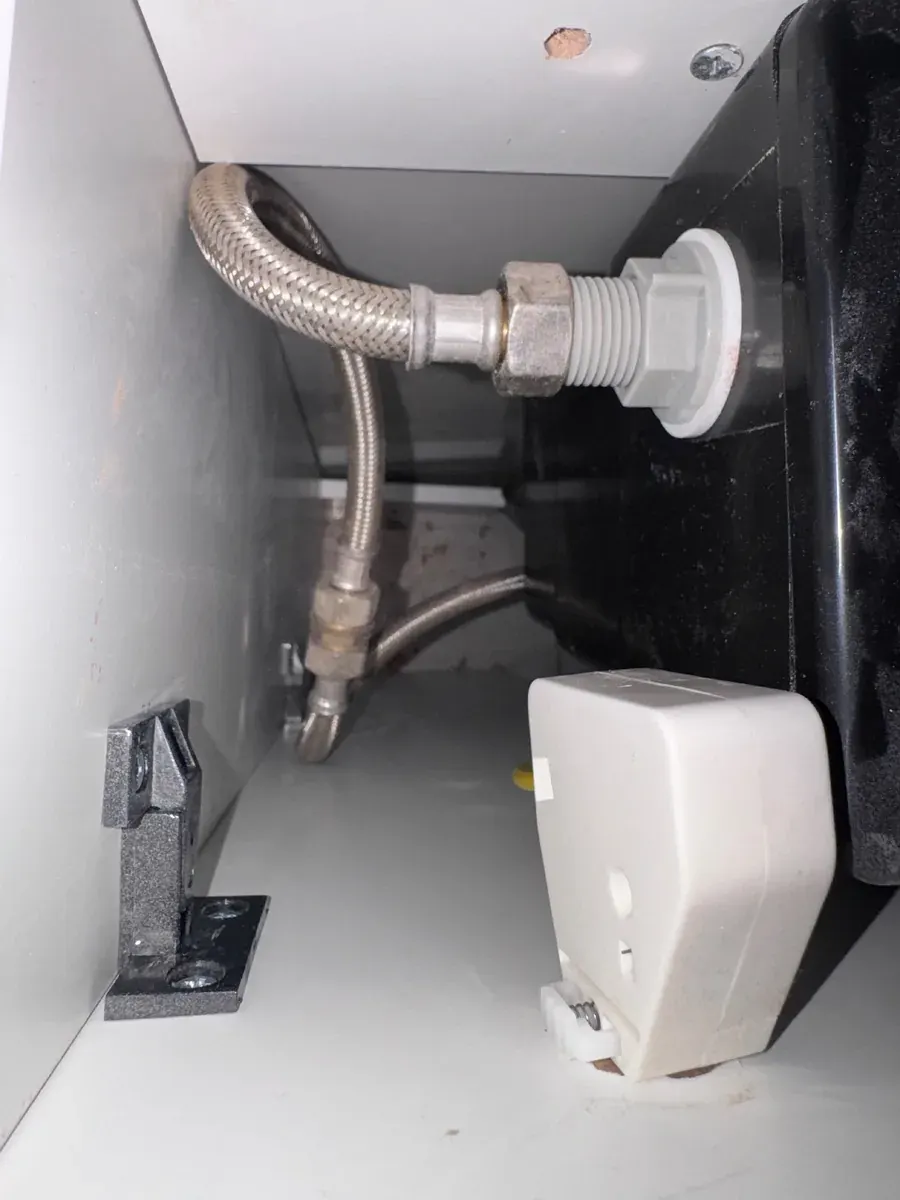
- The fault in the tenant's words, with photos and when it was first reported.
- Any spending limit that needs approval before work beyond it.
- Block rules, parking arrangements and shared stopcock location.
- Where invoices and completion notes should go.
Safe first steps for tenants
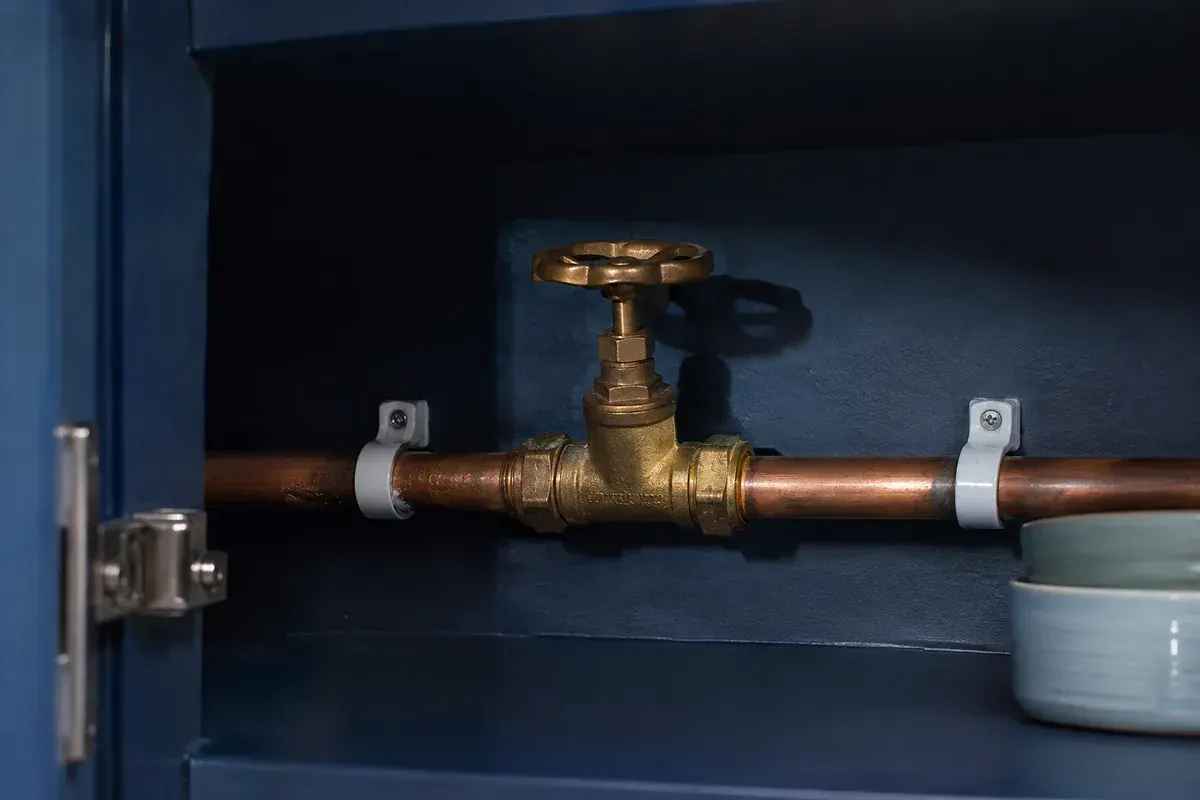
Turn off the water at the stop valve or local valve if something is leaking and it is safe. Tell the landlord or agent in writing the same day, even after a phone call. Do not arrange alterations without permission. For uncontrolled water, follow the contact your agreement gives for urgent faults.
How it is checked
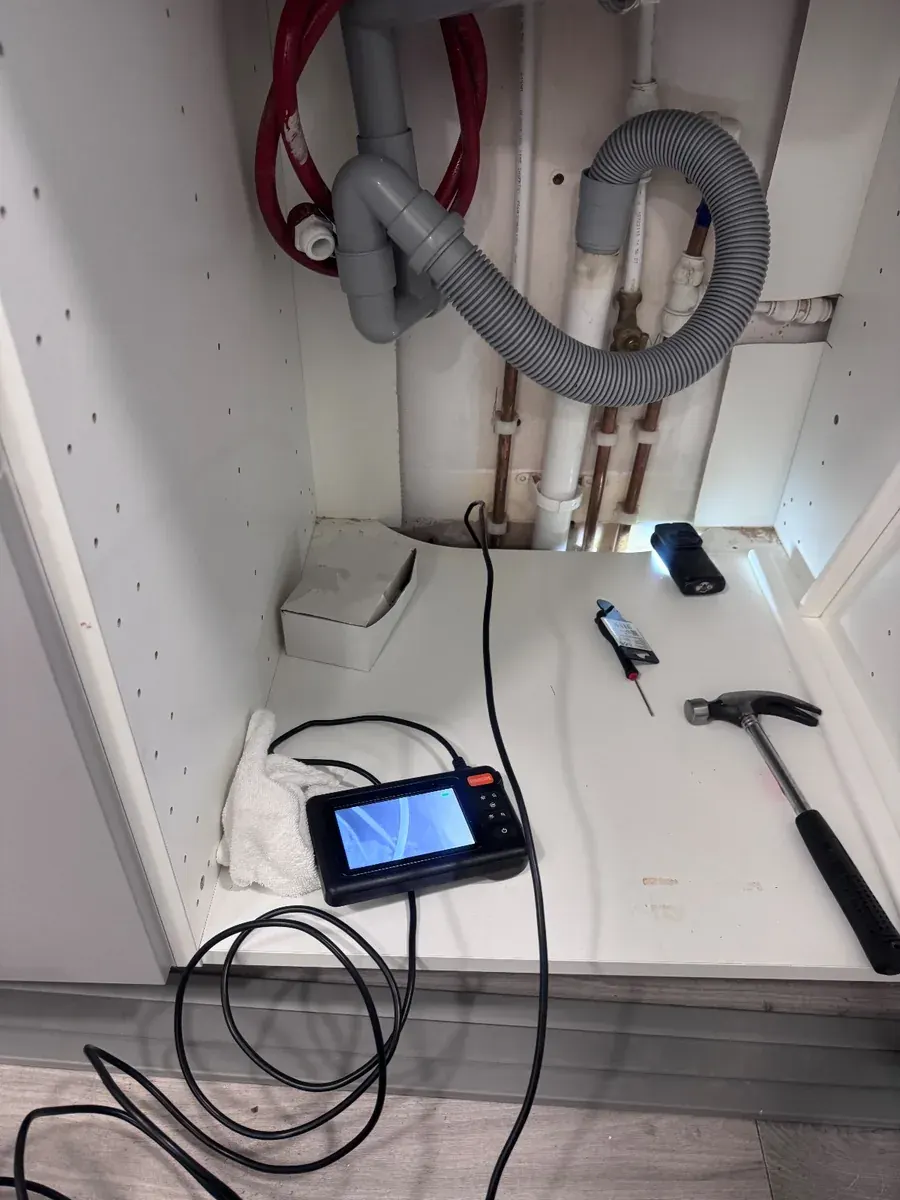
The repaired item is used while joints are observed, and the tenant is shown any valve that changed. Ask for a short written record: what was found, what was done, parts fitted, anything left outstanding and dated photos. That record helps with deposit, insurer and managing agent questions.
Between tenancies
Walk through every tap, flush, waste and appliance connection, exercise the stop valve and look for staining beneath sinks and baths. In an empty property, run outlets regularly or follow your risk assessment on stagnant water, and protect pipes against cold. Send the list through the contact form.
Writing a useful fault report
Ask the tenant for one sentence on what happens, where and how often. "Cistern runs constantly in the upstairs toilet" gives far more to work with than "toilet broken", and shows whether a part might need identifying beforehand.
Copy the tenant in where appropriate.