What a power flush does to radiators and heating pipework, the signs that point to sludge, what to tell us beforehand and how the result is checked after.
A power flush pushes water, usually with a cleaning chemical, through a wet heating system at a higher flow than normal in order to move sludge and debris out of radiators and pipes. It deals with dirt inside the circuit. It does not repair a boiler; that is boiler repair, carried out only by Gas Safe registered engineers.
Is sludge really the problem?
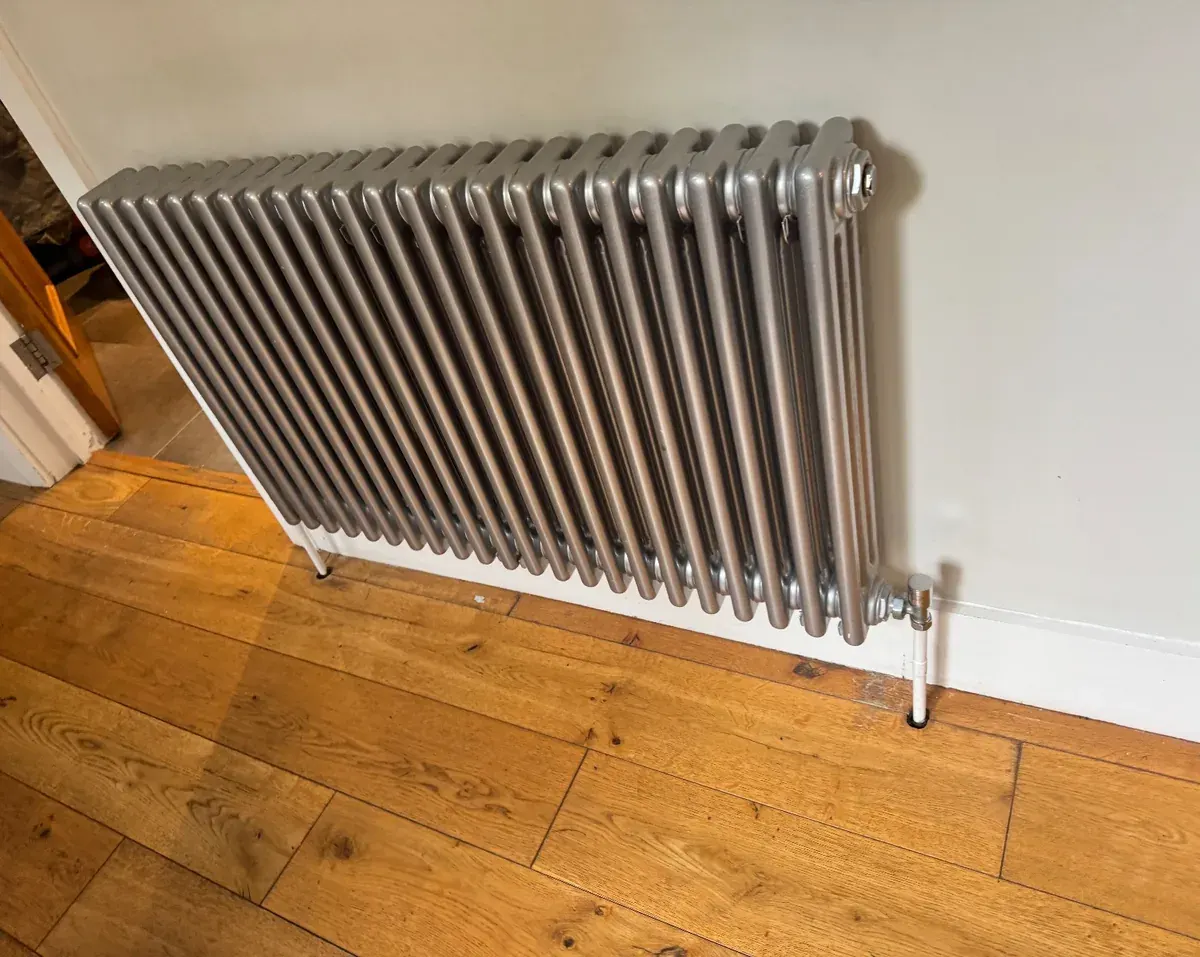
Radiators that stay cold along the bottom while the top warms, dark water when one is bled and some rooms heating far more slowly than others are common reasons to ask. Each can have another cause. Cold at the top often means trapped air, a single cold radiator may have a stuck valve, and an unbalanced system can starve the far end of the circuit. Those are worth ruling out first.
What the job involves
A flushing pump is connected into the circuit, commonly where a radiator has been removed or at another suitable access point. Radiators are worked one at a time, with flow reversed where the machine allows, and some may be tapped or taken outside to be rinsed. Dirty water is displaced with clean until it runs clear. The system is then refilled and dosed with a corrosion inhibitor, and air is bled out.
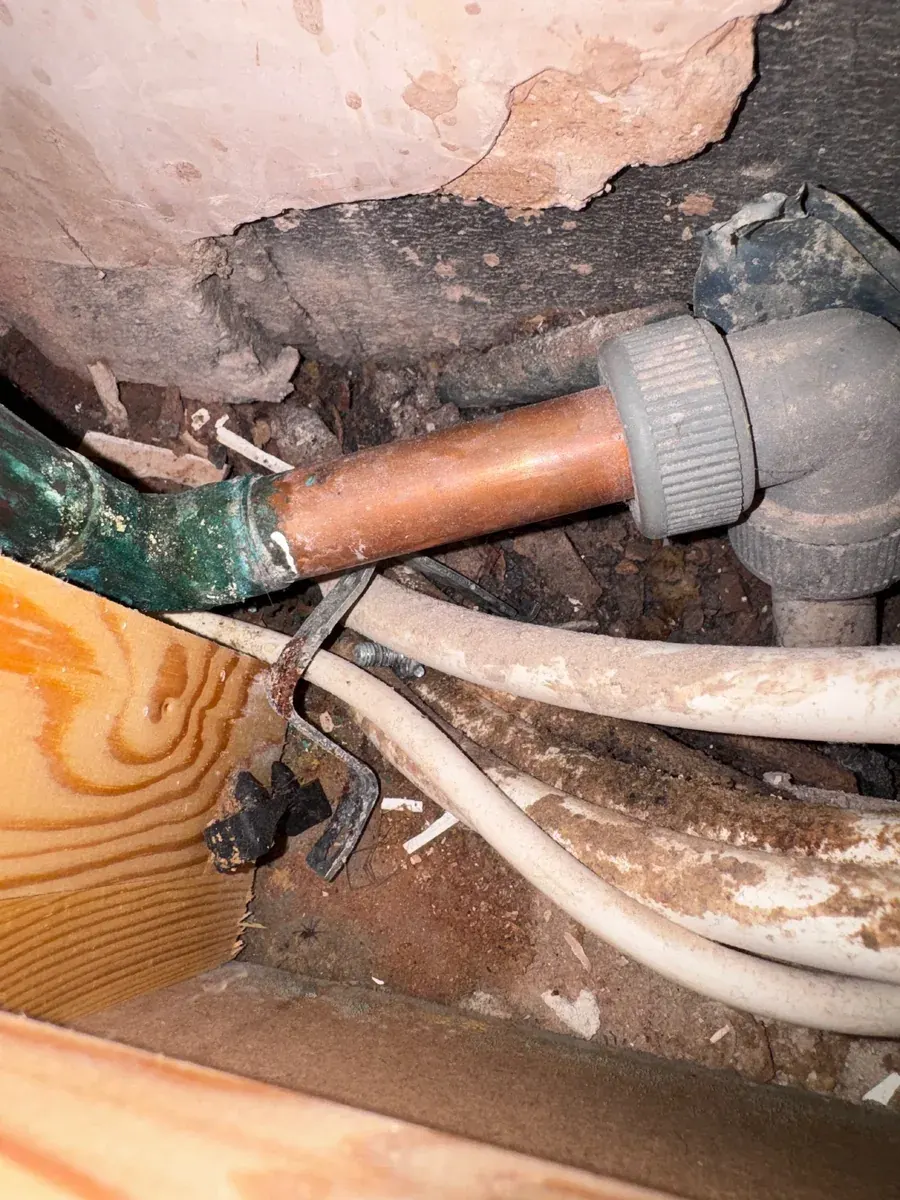
Old pipework deserves thought before any pressure is applied. Corroded radiators, weeping valves and fragile joints can start to leak once the sludge that sat over them has gone. Say if anything is already damp.
What we need from you
- The number of radiators and roughly how old the system looks.
- Which radiators underperform, and where in each one the cold area is.
- Whether you have a pressure gauge or a small feed tank in the loft.
- A photo of any filter on the heating pipes, and any record of earlier cleaning or inhibitor.
- Access to every radiator, plus a water supply and somewhere suitable for waste water to go.
Dirty system water must go to a foul drain, never to a road gully or surface water drain.
Safe first steps
Leave drain valves and the boiler casing alone. If one radiator is cold only at the top, bleeding it with the heating off and a cloth ready is a reasonable check, then read the pressure gauge, since a sealed system may need topping up. Stelrad's bleeding instructions explain why. Do not add chemicals of your own without knowing what is already in the water.
How the result is checked
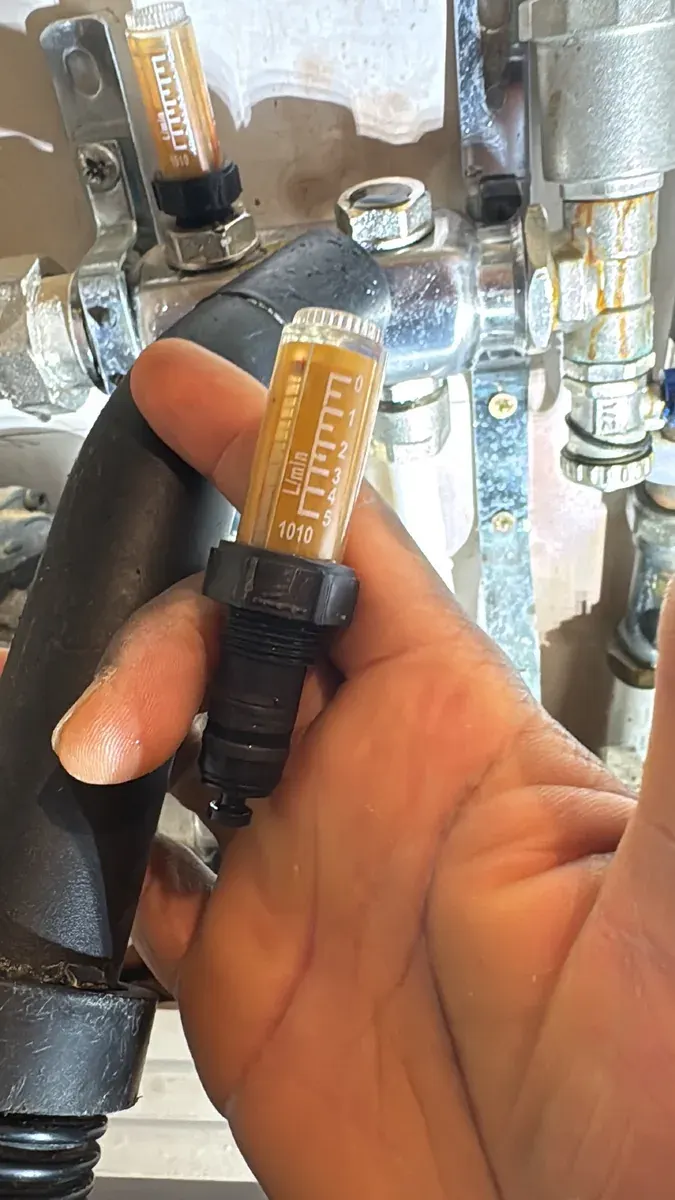
With the heating run up to temperature, each radiator is felt or measured across its face for even warmth. The water drawn off should look clear, joints and valves should be dry, the pressure should hold on a sealed system and the inhibitor should be recorded. Check again after a few days for drips and returning air.
Alternatives to raise
Cleaning a single removed radiator, a gentler chemical clean or fitting a magnetic filter may suit some systems better. Ask why the full flush is being proposed for yours, what is excluded and what happens if a radiator is found to be beyond cleaning. Send the details through the contact form.