Water rising or draining slowly in the pan: what to do before anyone arrives, how a toilet blockage is cleared and the checks that show the waste is flowing.
A blocked toilet is cleared by freeing the obstruction in the pan, the connector or the pipe behind it, then flushing to prove that waste is carried away. The first priority is to stop it overflowing.
Safe first steps
- Do not flush again while the water is high.
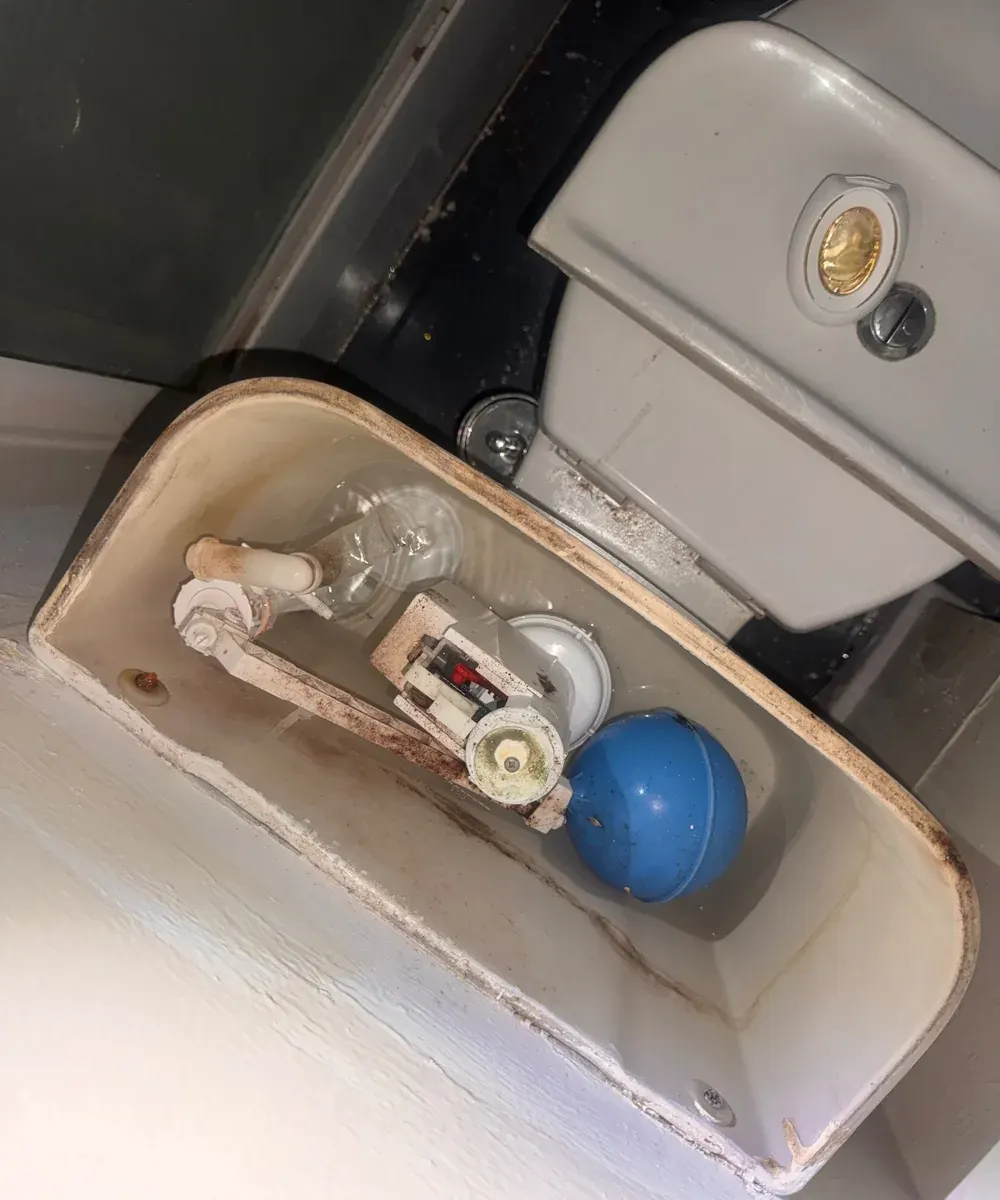
- If the cistern is still filling or running, close its supply valve or lift the float arm and support it.
- Put towels down and keep children and pets out.
- Once the level has dropped, try a toilet plunger with steady strokes, keeping the cup under water.
- Wear gloves, wash well afterwards and disinfect anything the water touched.
Avoid pouring in boiling water, which can crack the pan, and avoid chemical unblockers if you may need someone to work on it. If you have already used one, say so.
If sewage is coming up into a bath, shower or floor, or it cannot be contained, stop using all water in the home and get immediate help.
What the job involves
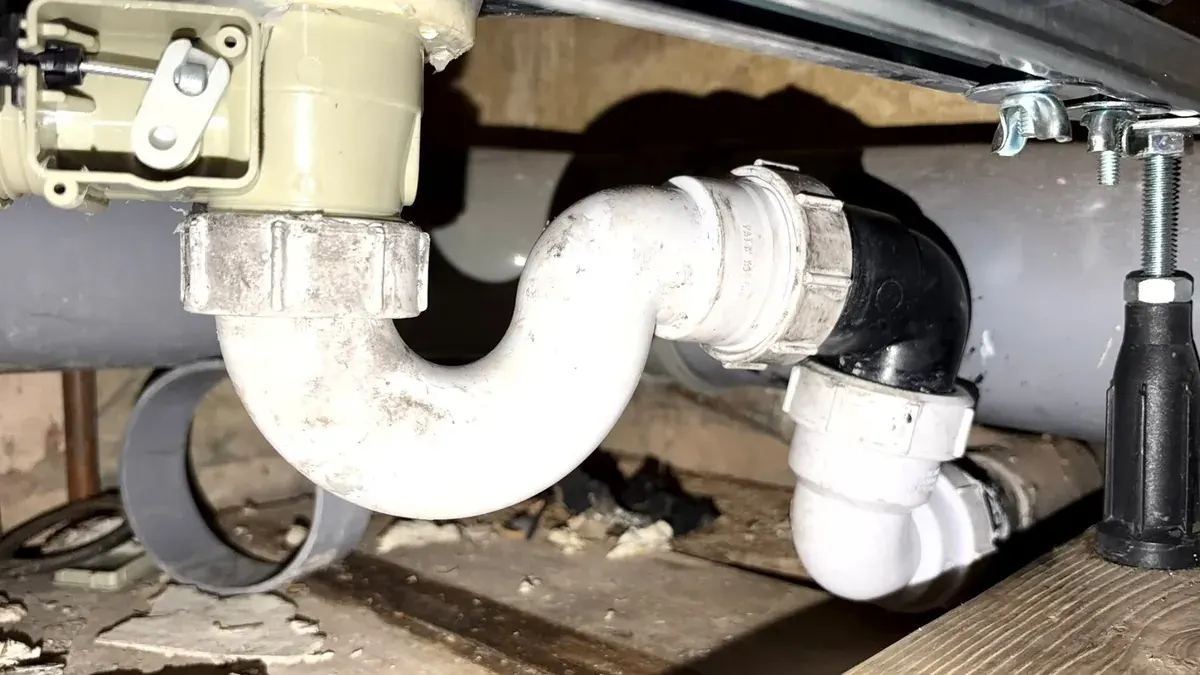
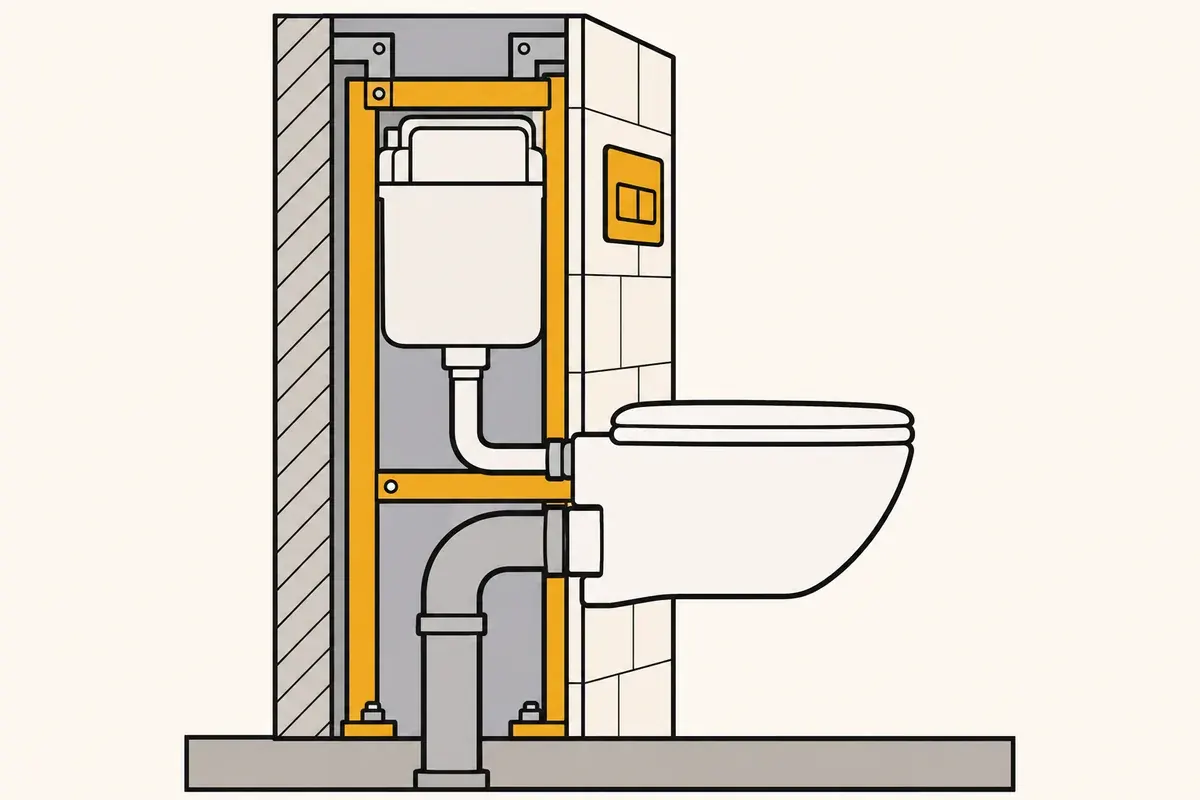
Work starts with the least disruptive method: a larger plunger or a toilet auger fed through the bend. If the obstruction is solid or beyond reach, the pan connector may need to be separated, which can mean lifting the toilet. Concealed cisterns and boxed pipework add access work. Where the soil pipe or underground drain is at fault, clearing the pan alone will not help, and drain clearance is the next question.
What we need from you
- Whether the water is rising, static or draining slowly.
- Anything that may have gone down: toy, freshener cage, wipes, sanitary items.
- Whether basins, baths or other toilets are affected.
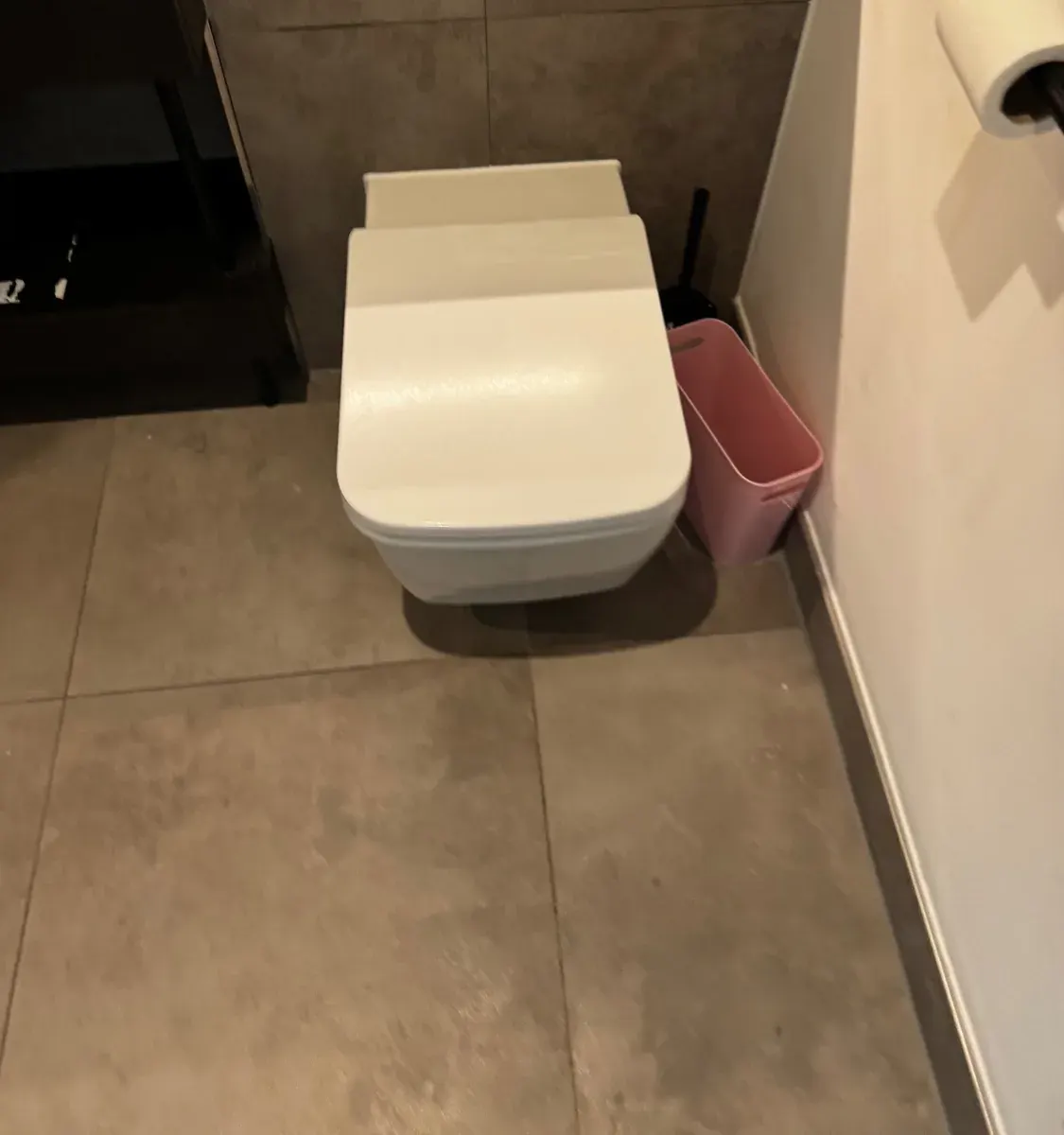
- The type of toilet: close coupled, wall hung, back to wall or with a macerator pump.
- A photo of the pan, the floor and the pipe where it leaves the toilet.
A toilet connected to a macerator should not be plunged or augered blind. Switch off its electrical supply at the isolator if that is dry and reachable, stop using the fixtures that feed it and say which model it is.
How it is checked
The toilet is flushed several times, including with paper, while the level and sound in the pan are watched. Nearby fixtures are run to see that they do not gurgle or rise. If the pan was lifted, the soil connection, the water supply and the floor fixings are inspected for leaks and movement.
If it keeps happening
A weak flush, a damaged connector, a poorly sloped pipe or a defect further along can all cause repeat blockages. Say how often it happens, because that justifies looking past the pan. Wipes sold as flushable are a frequent thing to rule out. Send details through the contact form.
Afterwards
Clean tools and floors, and wash soiled towels separately and hot. Tell other occupants what caused the blockage if it was found, and keep a lidded bin beside the toilet for wipes and sanitary items.